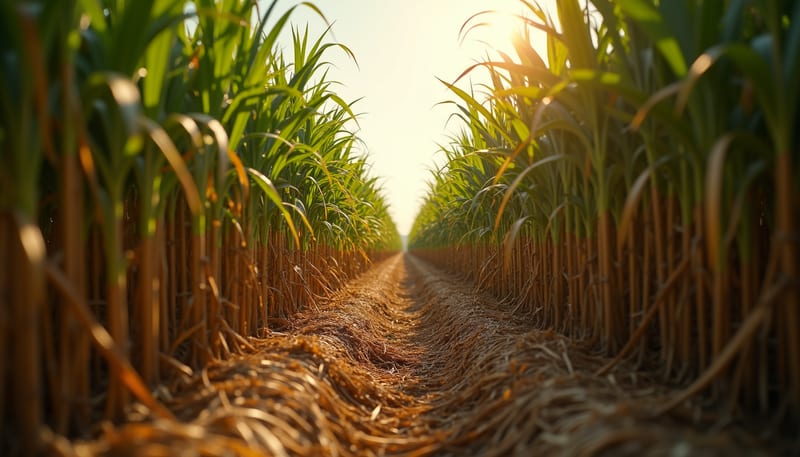
The physical sugar trade connects mills in exporting countries such as Brazil, Thailand and India with refineries, food manufacturers and distributors in importing countries. Large international trading houses handle much of the raw sugar in bulk, while specialised exporters and importers handle containerised refined sugar. Prices are set off two futures benchmarks, ICE No. 11 for raw and ICE London No. 5 for white, and contracts usually follow the rules of the London sugar associations. This guide explains who trades sugar, how a physical sugar deal is priced and contracted, and how to tell a real sugar trading company from a broker chain.
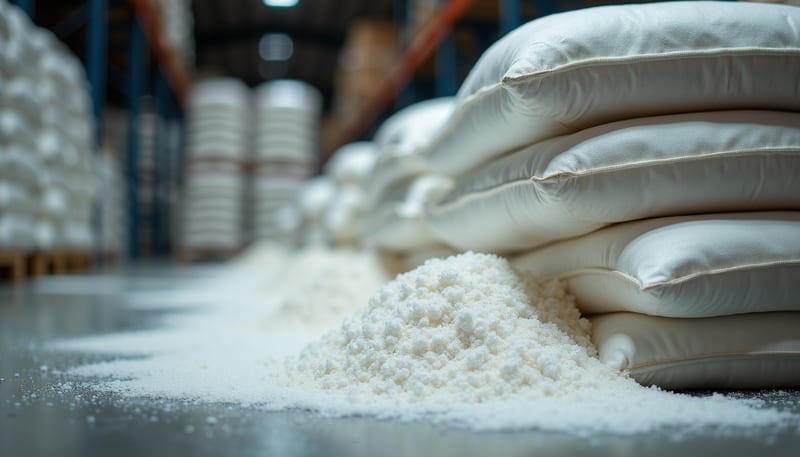
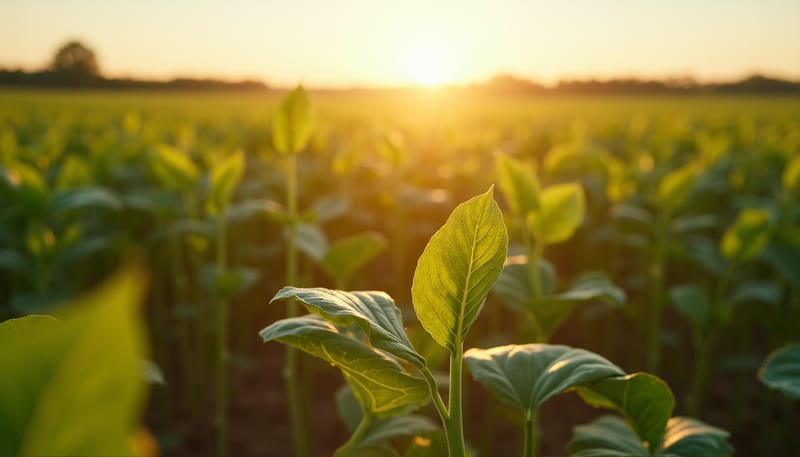
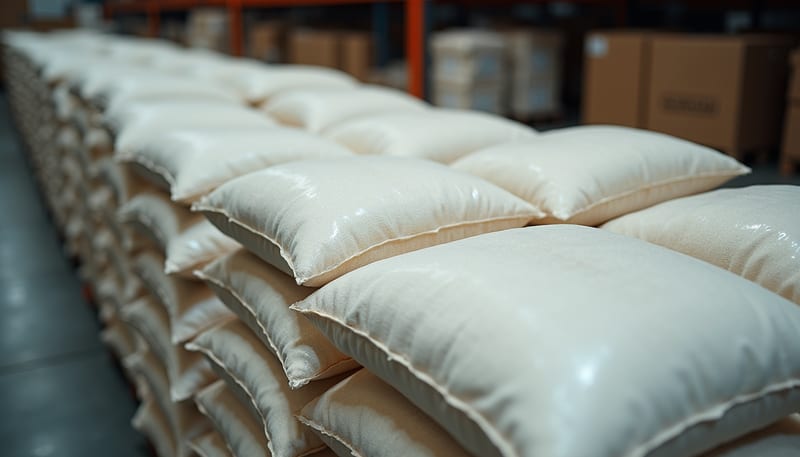
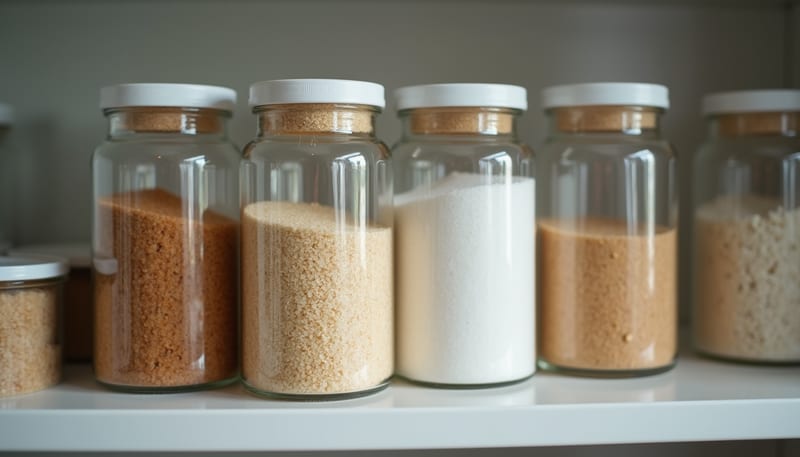
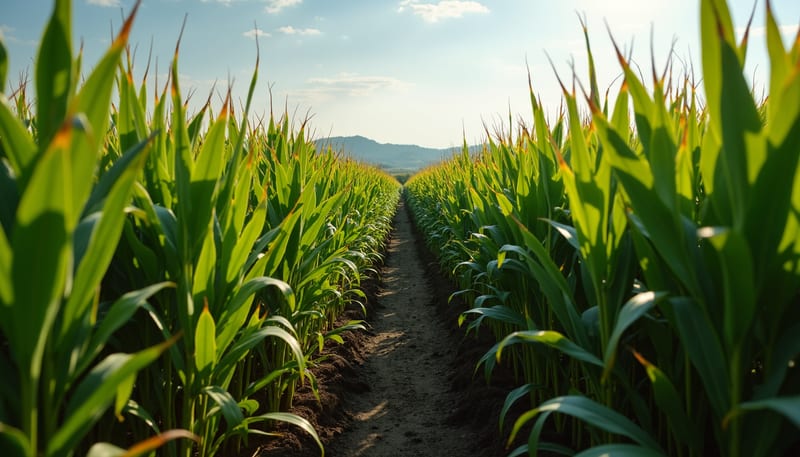
Physical sugar trading is about moving real cargoes like these, with inspection, freight and payment arranged
Who is who in the sugar trade
| Player | What they do | Examples of the type |
|---|---|---|
| Mills and producer groups | Grow and crush cane, make raw or white sugar, often ethanol too | Brazilian usinas and cooperatives |
| International trading houses | Buy from many mills, hedge on futures, charter vessels, sell to refineries worldwide | Global agri-commodity and specialist sugar traders |
| Origin exporters | Source from mills, prepare export documents, ship containers and smaller bulk lots | Brazilian export companies such as ours |
| Destination refineries | Import raw sugar and refine it for their region | Port refineries in Asia, the Middle East and Africa |
| Importers and distributors | Import refined sugar, repack and sell to industry and retail | National wholesalers |
| Industrial end users | Buy to specification for production | Beverage, confectionery, dairy, bakery, pharma |
| Brokers | Introduce buyers and sellers for a commission | Legitimate brokers are named and paid by one side |
Well-known international sugar traders include Brazilian-origin groups such as Alvean (created by Copersucar and Cargill) and Raízen, and global houses such as Louis Dreyfus Company, Czarnikow, Sucden, Wilmar and COFCO International. They are the counterparties most refineries deal with for cargoes of tens of thousands of tonnes. Our profile of top Brazilian sugar suppliers covers the Brazilian side in more detail.
How physical sugar is priced
Physical sugar is almost never sold at a flat price fixed months ahead. Instead:
- The futures benchmark. Raw sugar is referenced to ICE Sugar No. 11 (FOB origin, cents per pound). Refined white sugar is referenced to ICE London No. 5 (US dollars per tonne). See sugar price today.
- The premium or discount. The physical price is the futures price plus or minus a premium for the grade, origin, packaging, shipment period and delivery terms.
- Pricing mechanism. Either a fixed price agreed on the contract date, or a price "to be fixed" against a futures month, where the buyer chooses when to fix within an agreed window.
- Hedging. Traders offset their physical positions on the futures market so that a price move does not wipe out their margin.
The white premium, the spread between white and raw futures, signals whether refining is profitable. See raw sugar vs refined white sugar.
Sugar contract rules
International sugar contracts usually incorporate standard rules:
- the Sugar Association of London (SAL) rules for raw sugar;
- the Refined Sugar Association (RSA) rules for white sugar.
Both provide standard terms and arbitration in London for disputes. Smaller containerised deals sometimes use the exporter's own contract terms instead, but the same subjects must be covered: specification, quantity tolerance, packaging, Incoterm, shipment period, inspection, payment, force majeure, and dispute resolution.
How a physical sugar deal runs
- Enquiry: grade, tonnage, packaging, destination and Incoterm.
- Offer: price basis, validity, shipment window and specification.
- Contract: signed by both sides, with the rules and inspection agreed.
- Payment security: documentary letter of credit or other bank-mediated terms. See SBLC vs letter of credit.
- Execution: sugar allocated, packed, trucked or railed to port, inspected and loaded. See Brazil's sugar ports.
- Documents and payment through the banks.
- Delivery and customs clearance at destination. See how to import sugar.
Real sugar traders vs broker chains
The online "sugar market" is full of chains of intermediaries passing around soft corporate offers for enormous monthly volumes of ICUMSA 45. Real sugar trading companies look different:
| Real trading company | Broker chain |
|---|---|
| Verifiable company registration, address and bank | Vague or borrowed identity, free email domains |
| Offers a realistic volume for the season | "50,000 MT monthly × 12 months" of ICUMSA 45 |
| Specification and price basis in writing before payment terms | Price first, specification later |
| Payment through banks against documents | Asks for SBLC, MT760, MT799 or fees up front |
| Names the port, the inspection agency and the shipment window | "Proof of product" offered for a fee |
Soft corporate offers, FCO and ICPO explains the broker-chain vocabulary and how to verify a supplier.
Starting in sugar trading
New sugar trading businesses usually start in containerised refined sugar, where one 20 ft container of about 25 tonnes is a workable lot, before moving to bulk. The essentials:
- a registered company with import or export permissions in your market;
- a bank able to issue or advise letters of credit;
- a customs broker and knowledge of your country's sugar duties and quotas, for example in Nigeria, Indonesia or China;
- reliable suppliers at origin and an independent inspection arrangement;
- understanding of Incoterms and freight. See Incoterms for sugar.
Trading with us
We are a Brazilian sugar export company. We buy from mills in São Paulo, Minas Gerais and Goiás, hold them to your specification, prepare the export documents and ship from Santos or Paranaguá. We work with importers, distributors, repackers and manufacturers. Send us an enquiry.
Frequently asked questions
What is a sugar trading company? A company that buys sugar from producers and sells it to refineries, manufacturers or distributors, taking on logistics, documentation and price risk.
Who are the biggest sugar traders? Large agri-commodity houses and specialist sugar traders, including Alvean, Louis Dreyfus Company, Czarnikow, Sucden, Wilmar and COFCO International.
How is physical sugar priced? As a futures benchmark, ICE No. 11 for raw or ICE London No. 5 for white, plus or minus a premium for grade, origin, packaging, shipment period and Incoterm.
What rules govern international sugar contracts? Commonly the Sugar Association of London rules for raw sugar and the Refined Sugar Association rules for white sugar, both with London arbitration.
How much sugar do I need to start trading? Containerised refined sugar is traded from one 20 ft container, about 25 tonnes; bulk raw sugar cargoes are usually tens of thousands of tonnes.
How can I tell a real sugar supplier from a fake one? Verify registration and bank details independently, insist on specification and inspection in writing, and never pay upfront fees.