China is one of the world's largest sugar importers, and Brazil is its biggest supplier. Imports are managed through a tariff-rate quota: 1.945 million tonnes a year enter at a 15% duty, most of it allocated to state trading enterprises, while sugar imported outside the quota pays 50%. Most of what China imports is raw cane sugar for its coastal refineries. This guide explains the quota system, who can import, the registration rules for overseas suppliers, and how Brazilian sugar reaches Chinese refineries.
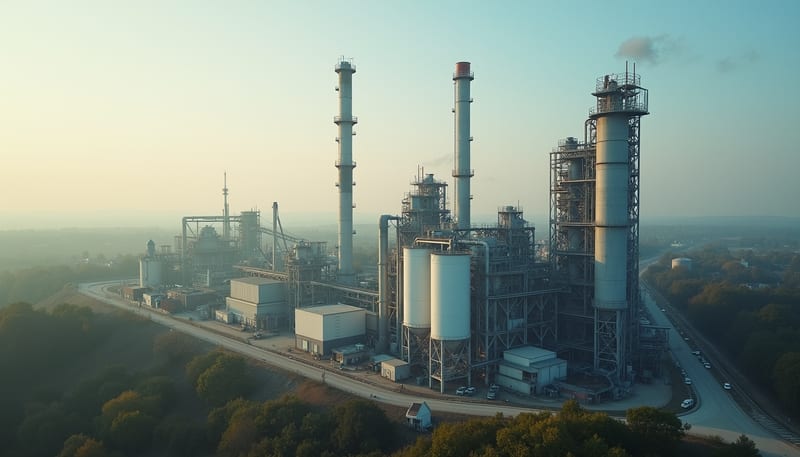
Chinese port refineries process imported raw sugar into white sugar for the domestic market
China's sugar balance
China produces a large sugar crop of its own: cane in the south, above all Guangxi, followed by Yunnan and Guangdong, and beet in Inner Mongolia and Xinjiang. Consumption is larger than production, so China imports the difference, mostly as raw sugar. Imports rise and fall with the domestic crop, the world price and the gap between world and Chinese domestic prices.
The sugar tariff-rate quota (TRQ)
Under China's WTO commitments, sugar is a quota commodity:
| In-quota | Out-of-quota | |
|---|---|---|
| Volume | 1.945 million tonnes per year | Unlimited, subject to licensing |
| Tariff | 15% | 50% |
| Who imports | About 70% of the quota is reserved for state trading enterprises; the rest goes to other qualifying companies | Companies with the required import licence |
The quota is allocated each year by the National Development and Reform Commission (NDRC) and the Ministry of Commerce (MOFCOM), based on applications from refiners and traders. Between 2017 and 2020 China also applied an additional safeguard duty on out-of-quota sugar; that measure expired in May 2020, since when out-of-quota imports have paid the 50% tariff. China has also tightened controls on imports of sugar syrups and premixes, which had been used to avoid the quota, so confirm the current treatment of any sugar product with a Chinese customs broker.
Who can import sugar into China?
- State trading enterprises, led by COFCO, which hold most of the in-quota volume.
- Licensed refiners and traders, which receive the non-state share of the quota or import out-of-quota under licence.
Foreign sellers do not apply for quota. The Chinese importer must hold the quota certificate or licence that covers the cargo, and the contract should refer to it.
Registration of overseas food manufacturers
Since 1 January 2022, China's General Administration of Customs (GACC) requires overseas manufacturers of imported food to be registered under GACC Decree 248. Sugar producers are registered through the GACC online system, and the registration number must be shown on the packaging of food entering China. Before contracting refined sugar for China, check that the producing mill or refinery is registered. Raw sugar for further processing is subject to the importer's own licensing and inspection; confirm requirements with your broker.
Why Brazilian sugar dominates China's imports
- Scale: Brazil exports more raw sugar than any other country, so it can fill large cargoes. See Brazil's sugar export industry.
- Quality: Brazilian VHP is the standard refinery feedstock. See VHP sugar.
- Timing: Brazil's Centre-South crush, April to November, complements China's own harvest, which runs roughly from November to April. See the Brazil harvest calendar.
Thailand, Australia and others also supply China, with Thailand's shorter voyage an advantage when its exportable surplus is large.
Shipping sugar from Brazil to China
- Bulk raw sugar: FOB Santos or Paranaguá in vessels typically chartered by the Chinese buyer or a trading house. The voyage to southern China is long, around five to seven weeks.
- Refined sugar: in 50 kg bags or jumbo bags in containers, with Chinese labelling and GACC registration details where required. See sugar packaging for export.
- Inspection: Chinese customs inspects quality and safety on arrival, in addition to the loading inspection named in the contract. See sugar inspection and certificates.
- HS codes: raw cane sugar 1701.14, refined white 1701.99. See sugar HS codes.
Points to agree in the contract
- Quota or licence reference held by the buyer, and who bears the risk if it is not available.
- Specification: polarisation, colour, moisture, ash and any additional Chinese standard parameters.
- Inspection at loading by a named agency, and how results at discharge are treated.
- Incoterm and port, usually FOB Santos or CFR to a named Chinese port. See Incoterms for sugar.
- Payment by documentary letter of credit. See SBLC vs letter of credit.
Buying Brazilian sugar for China
We supply raw and refined Brazilian cane sugar to importers who hold the required quota or licence. Send the grade, volume, discharge port and the licence period, and we will confirm specification and shipment window. Chinese-speaking buyers can also use our Chinese site. Request a quotation.
Frequently asked questions
How much sugar can China import at the low tariff? 1.945 million tonnes a year under the tariff-rate quota, at a 15% duty.
What is China's out-of-quota sugar tariff? 50%, since the additional safeguard duty applied from 2017 expired in May 2020.
Who controls China's sugar import quota? The NDRC and MOFCOM allocate it each year; about 70% goes to state trading enterprises such as COFCO.
Where does China import sugar from? Mainly Brazil, followed by Thailand and other exporters.
Do overseas sugar producers need GACC registration? Yes, under GACC Decree 248 overseas manufacturers of food exported to China, including sugar, must be registered.
When is China's sugar harvest? Roughly November to April, mainly cane in Guangxi and Yunnan, with beet harvested in the north in autumn.