

Specification before price
We agree the grade in writing — colour ceiling, polarisation, moisture, packaging — before we discuss a number. A price quoted against an undefined grade cannot be held to anything.
At a glance
01
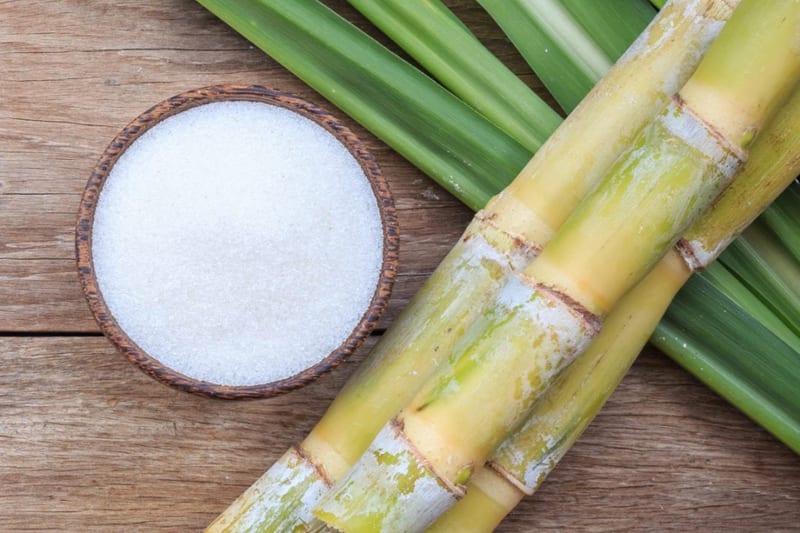
Brazil Sugar Top Suppliers is an export house based in Brazil that sources cane sugar from Brazilian mills and ships it to importers, distributors and manufacturers abroad. We export six grades, from ICUMSA 35 and ICUMSA 45 refined white sugar to raw VHP-type cane sugar at ICUMSA 600–1200, sold FOB Santos or Paranaguá, or CFR and CIF to the buyer's port.
We do not own a mill, and we say so up front. Our job sits between the mill and your warehouse: matching a written specification to a mill that can meet it, preparing the export documents in Brazil, and booking the space that gets the cargo to you. You deal with one counterparty from enquiry to bill of lading.
From mill to your port
Grade, tonnage, packaging and Incoterm agreed in writing
A Brazilian mill that can load your grade in your window
Loaded at Santos or Paranaguá with the full document set
03
Most enquiries we receive come from buyers who have already been let down once: a cargo that was never allocated, a certificate that did not match the lot, or a price that changed after the deposit. The four commitments below are written to answer those failures directly.
We agree the grade in writing — colour ceiling, polarisation, moisture, packaging — before we discuss a number. A price quoted against an undefined grade cannot be held to anything.
The certificate of analysis names the lot that is loaded. The commercial invoice, packing list, bill of lading and certificate of origin all describe the same goods under the same tariff heading, so the cargo clears and the letter of credit pays.
We will tell you which registered Brazilian company invoices you, and we expect you to check it. Payment runs through a documentary letter of credit or documentary collection, inside the banking channel.
Questions on grade, Incoterms, inspection or landed cost get a direct answer from the team handling your file, not a generic brochure.
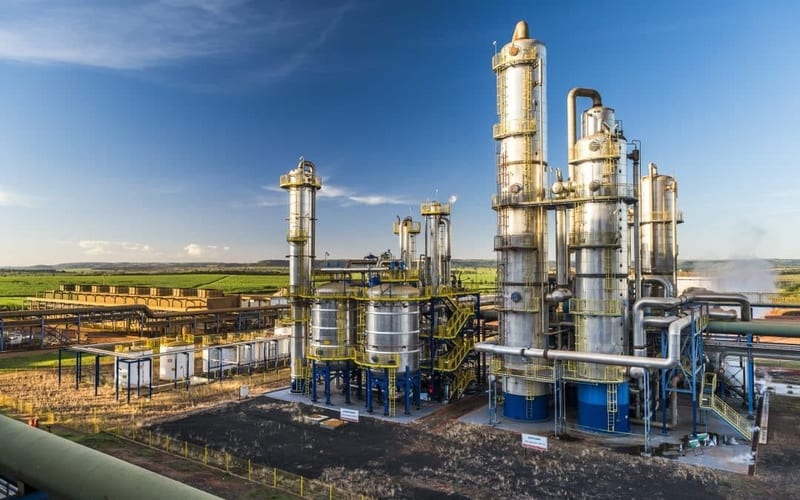
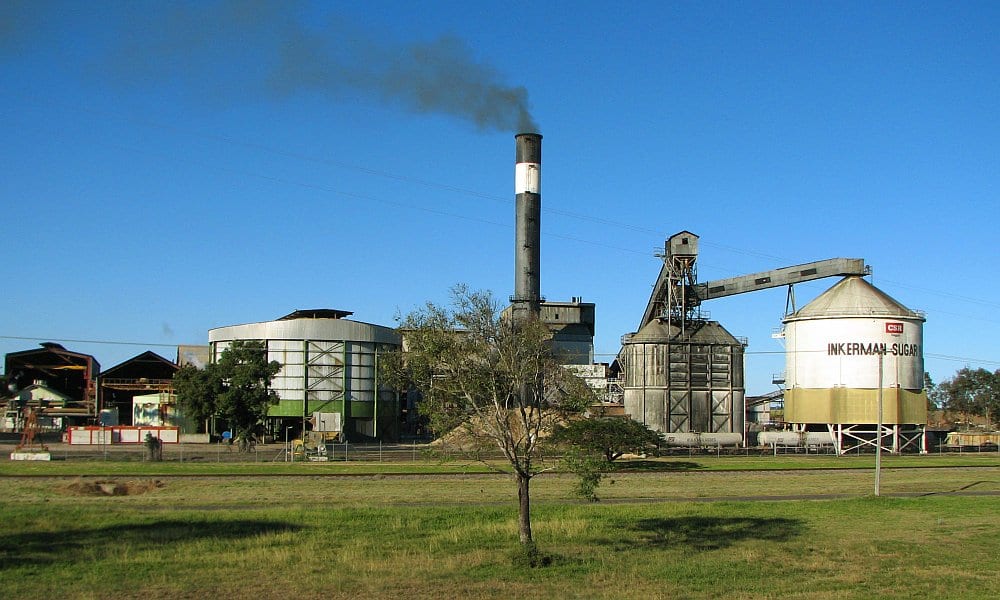
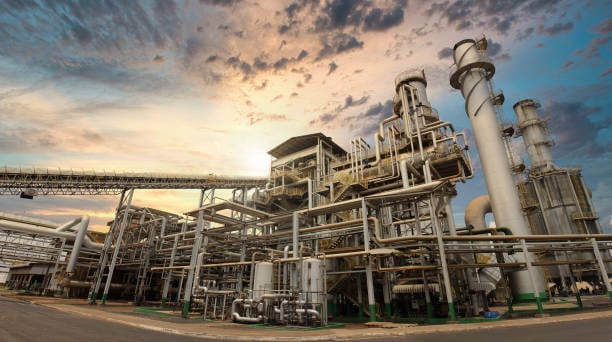
We source from mills in São Paulo, Minas Gerais and Goiás, the states that dominate national cane output. We contract on the grade rather than on a mill's brand, which lets us move a shipment to whichever mill can load your specification in your window.
Brazil's Centre-South crushes from roughly April to November and the North-East from roughly September to March, so the country ships sugar every month of the year. Timing still matters for price and allocation; our harvest calendar guide sets it out month by month.
Orders load as 20 ft or 40 ft container lots, or as larger parcels where the tonnage justifies it. Repeat buyers can contract a schedule of shipments instead of buying cargo by cargo.
04
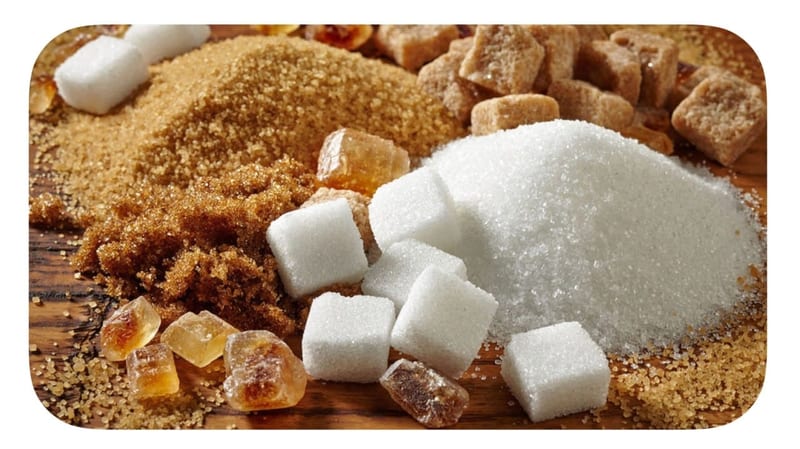
Every grade is graded by colour on the ICUMSA scale, and the number you put on the contract decides the price, the use and the refining still to be done:
ICUMSA 35 and 45 — fully refined white sugar
ICUMSA 100 to 150 — nearly white crystal sugar
ICUMSA 600 to 1200 — raw cane sugar for refineries and fermentation
Each lot ships with a certificate of purity, and the certificate of analysis states the measured figures for the cargo you receive.
05
A soft-drink bottler, a biscuit factory, a repacker and a cane refinery want different things from the same crop. Bottlers need low colour and a clean, floc-free solution, which points to ICUMSA 45 or our beverage-grade refined sugar. Bakers and confectioners usually care more about crystal size and moisture than about the last few colour units, and crystal white sugar or ICUMSA 100 often does the job at a lower cost per tonne. Refineries and distilleries buy raw brown cane sugar for its polarisation, because they remove the colour themselves.
Paying for refining your process does not need is the most common avoidable cost we see. Tell us what the sugar goes into, and we will tell you the cheapest grade that meets it.
06
ICUMSA is the International Commission for Uniform Methods of Sugar Analysis, which publishes the laboratory methods used to grade sugar worldwide. The ICUMSA figure on a contract is the colour of the sugar dissolved in water, measured by one of those methods: the lower the number, the whiter and more refined the sugar.
Colour is not the same thing as purity. A raw sugar can test above 99% sucrose and still be golden brown, which is exactly what VHP sugar is. That is why a sound contract states both the ICUMSA colour ceiling and the polarisation minimum, and why customs classification under HS heading 1701 turns on polarisation rather than colour.
For trading purposes the scale falls into three bands: 35 to 45 for refined white sugar (ICUMSA 45 is also called "London White"), 100 to 150 for crystal sugar that is nearly white, and 600 to 1500 for raw sugar, including VHP, bought as refinery and fermentation feedstock.
07
The figures below are the grade definitions we sell against. The measured values for your lot are on its certificate of analysis.
ICUMSA 35 — our lowest-colour white sugar, drier and brighter than standard refined grades, for pharmaceutical, specialty and premium retail use.
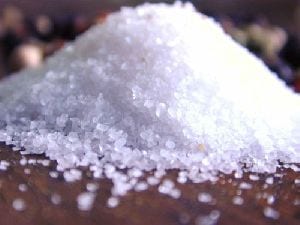
ICUMSA 45 — 99.8% sucrose and about 0.04% moisture; the benchmark refined white grade in world trade.
ICUMSA 100 — polarisation of at least 99.50°, ash up to 0.15% and moisture up to 0.10%; near-white, free-flowing and fit for human consumption.
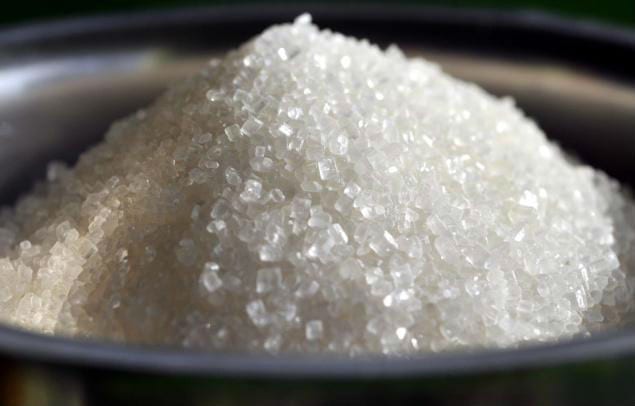
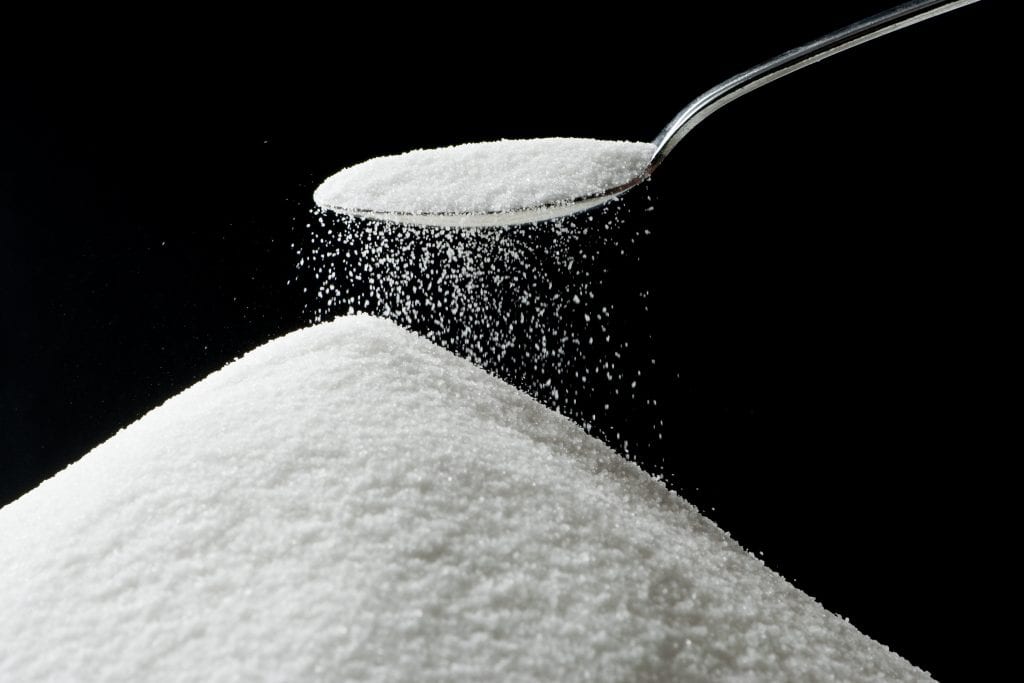
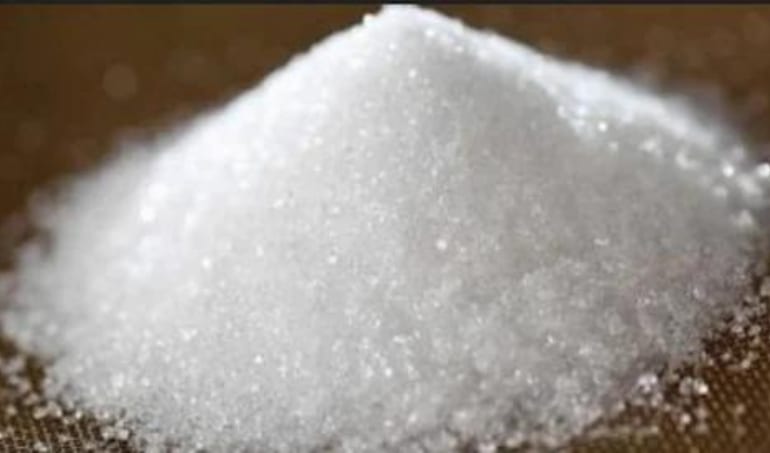
Crystal white sugar — over 99.7% sucrose, free of molasses and sediment, with cane origin confirmed by carbon-13 testing.
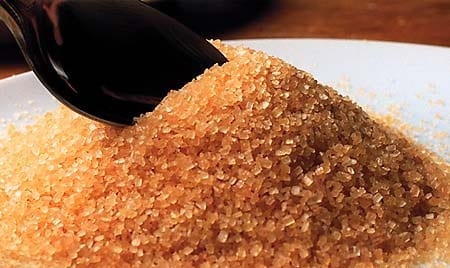
Raw brown cane sugar, ICUMSA 600–1200 — grade E, 600–1200 RBU, golden to brown, still carrying part of its molasses film; refinery feedstock and fermentation input.
Beverage-grade refined sugar — refined cane sugar held to the tighter colour, ash and microbiological limits that soft-drink production specifies.
Ask for the specification sheet of the grade you need and we will send the current version.
08
A typical order runs in five steps: you send the grade, tonnage, destination port and Incoterm; we confirm the specification and the mill allocation; we issue a quotation with a validity period; the contract and payment instrument are agreed; and the cargo is loaded, inspected where you require it, and shipped with its document set.
Our buyers include food and confectionery manufacturers, beverage bottlers, wholesale and retail distributors, hotel and catering suppliers, pharmaceutical and chemical companies, and refineries and distilleries that take raw sugar as feedstock.
Minimum order quantity, lead time and payment terms depend on the grade, the volume and the destination, so we confirm them on quotation rather than publish a figure that would not apply to your order. Our guide on how to buy sugar from Brazil walks through each step in detail.
09
Ports of loading. Brazilian sugar leaves mainly through Santos in São Paulo state and Paranaguá in Paraná. Which one your cargo uses depends on the supplying mill, the shipment window and available space, and we confirm it on the quotation.
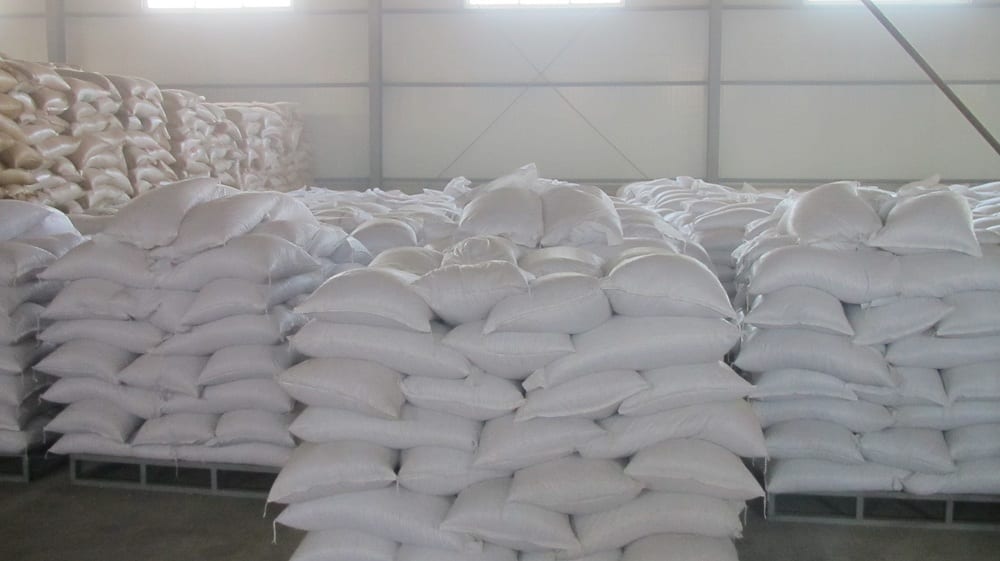
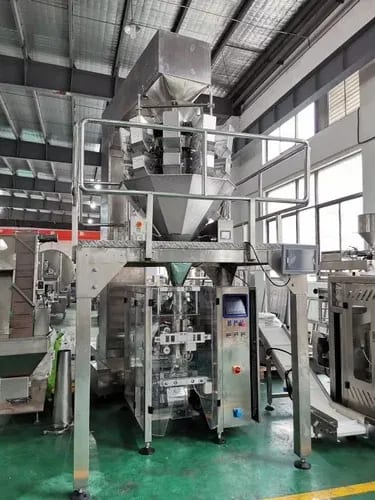
Containers or bulk. Refined grades load in 20 ft and 40 ft containers, packed in 50 kg bags, 1,000 kg jumbo bags or in bulk. Large raw-sugar parcels can move as bulk vessel cargo instead. Which option lands cheaper per tonne depends on your tonnage and discharge port.
Documents. Each shipment carries a certificate of purity, an ICUMSA certificate and a certificate of analysis for the lot, plus a certificate of origin issued through an accredited Brazilian body. Buyers in markets with a preferential tariff for Brazilian goods should check how origin is certified, because it changes the duty they pay. Phytosanitary certificates are issued where the importing country asks for one, and SGS or another independent inspector can be appointed at your choice.
Terms. We quote FOB, CFR or CIF under Incoterms 2020, with payment by documentary letter of credit or documentary collection. Prices follow the ICE No. 11 raw sugar benchmark, with a premium for refined grades, and stay firm for the validity period stated on the quotation.
10
Are you a sugar mill or a trading company? We are an export trading house in Brazil. We do not own a mill; we source from Brazilian mills against your specification and act as the exporter for your shipment.
Which ports do you ship sugar from? Santos (São Paulo) and Paranaguá (Paraná). The port for each shipment is confirmed on the quotation.
What is the minimum order? It depends on the grade, packaging and destination, so we confirm it when we quote. Container lots are the usual starting point for refined grades.
Which Incoterms and payment methods do you accept? FOB, CFR and CIF (Incoterms 2020), paid by documentary letter of credit or documentary collection.
Can I appoint my own inspection company? Yes. SGS or another independent agency can inspect quality and weight at loading, at the buyer's choice and as written into the contract.
How is the price of Brazilian sugar set? From the ICE No. 11 raw sugar futures price, plus a premium for refined grades, adjusted for Incoterm, packaging, volume and timing. Our ICUMSA 45 price guide explains each layer.
The darkest raw grade we offer, with the most molasses left on the crystal. It suits fermentation, distilling, animal-feed formulation and any buyer who will refine it further.
Ask about ICUMSA 1200 sugarA lighter raw sugar with a bigger, cleaner crystal and less molasses than ICUMSA 1200. Buyers use it in caramel and syrup production, in spirits, and as refinery feedstock.
Ask about ICUMSA 600 sugarPartly refined crystal sugar with a faint golden tone and a mild caramel note. It is edible as delivered and works in baking and general food processing where perfect whiteness is not required.
Ask about ICUMSA 150 sugarClose to white and noticeably cheaper than fully refined sugar. Soft-drink, confectionery and food producers use it where a trace of colour does not show in the finished product.
Ask about ICUMSA 100 sugarThe refined white grade most of the world's food and drink industry buys. High sucrose, low moisture and full solubility make it the default for clear beverages and premium foods.
Ask about ICUMSA 45 sugarOur lowest-colour sugar, for specialty uses such as pharmaceutical syrups and premium retail packs. Few exporters carry it, so it should be planned into a shipment schedule early.
Ask about ICUMSA 35 sugarRefined granulated sugar that is ready for retail packing or the production line without further processing. A good choice when you need white sugar and do not need to specify an exact ICUMSA figure.
Ask about crystal white sugarRefined cane sugar held to the colour, ash, turbidity and microbiology limits that bottlers write into their purchase specifications. We match your own parameter sheet rather than a generic one.
Ask about beverage-grade sugar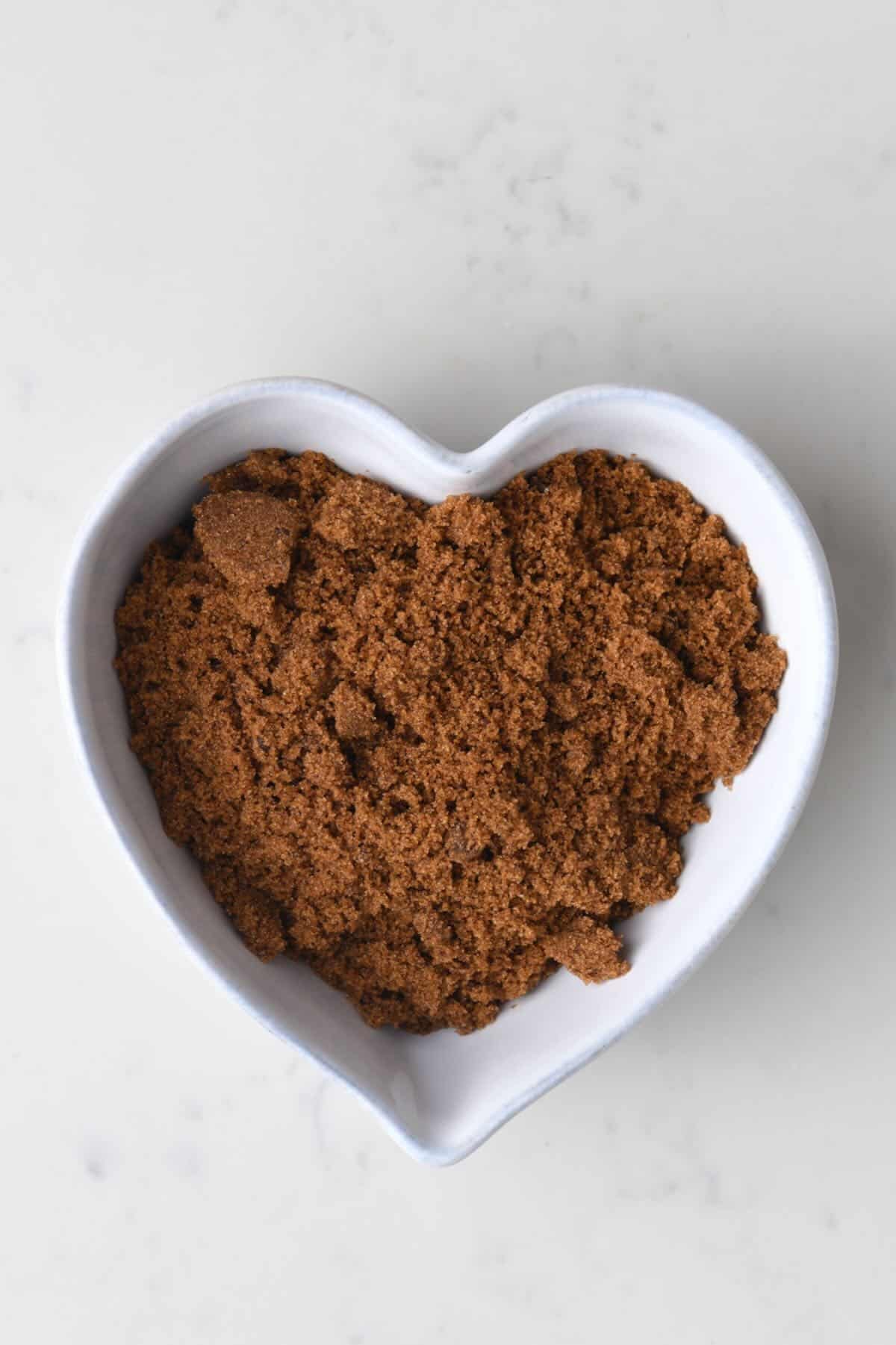
Our sugar comes from mills in São Paulo, Minas Gerais and Goiás, where most of Brazil's cane is grown and crushed. We choose the mill for the specification, not the other way round.
Choose 50 kg bags for manual handling and resale, 1,000 kg jumbo bags for mechanised plants, or bulk for refinery intake. We confirm the format on the quotation.
Export declaration, certificate of origin, certificates of analysis and purity, and phytosanitary certificates where required are prepared before the cargo sails, against your import country's rules.
We plan loading around your contract dates and the Brazilian crush, so a delivery window agreed at contract is one we can actually meet.
Mills in the Centre-South sit within trucking distance of Santos and Paranaguá, which keeps the inland freight leg short and predictable.
See our export documentsOur quotations separate the benchmark, the grade premium, packaging and freight, so you can see what you are paying for and compare offers on the same basis.
Read how sugar is pricedWe are a Brazilian business, and every cargo we ship supports the growers, mill workers and port staff who produce it.
Contact our teamAssurances
Certificate of analysis
Measured figures for the lot you receive
ICUMSA certificate
Colour grade stated for the cargo
Bags, jumbo bags or bulk
Packed to suit your handling
Certificate of origin
Issued through an accredited Brazilian body