
Beverage Grade Refined Cane Sugar
Specification last reviewed 19 October 2026.
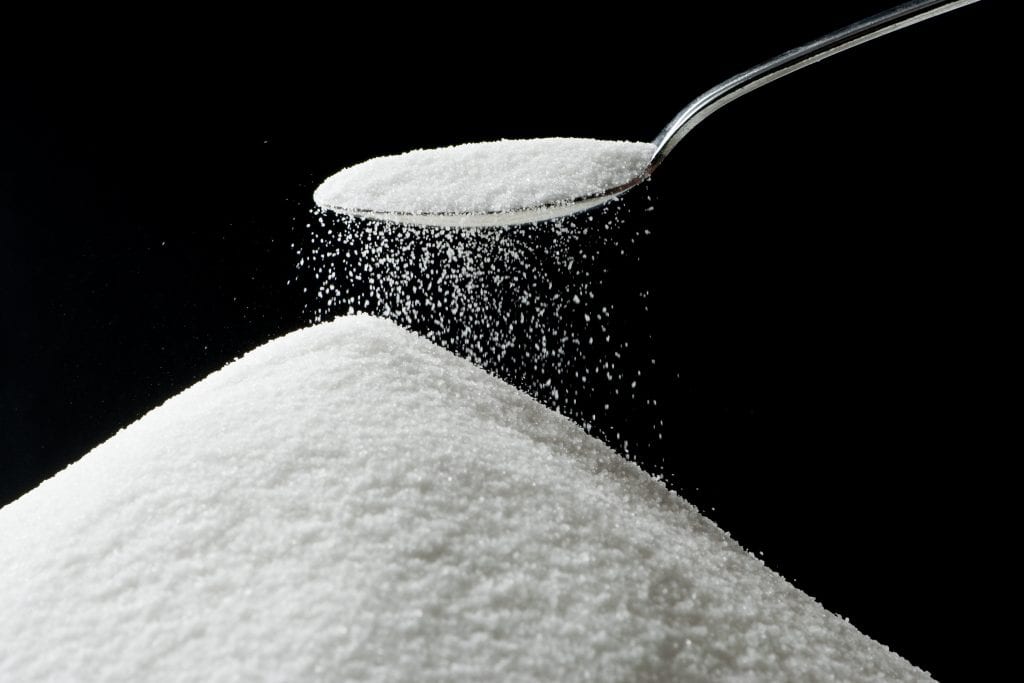
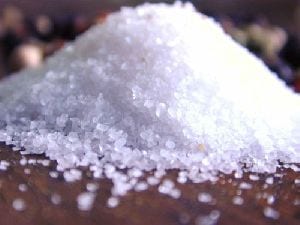
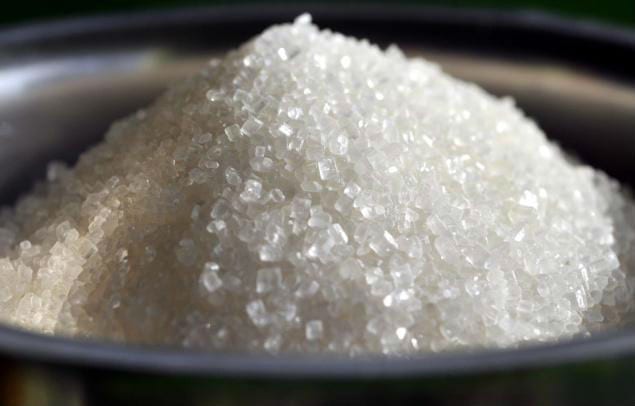
Beverage grade refined cane sugar — also called bottler's grade or soft-drink grade — is refined white sugar supplied against the tighter parameter set that drinks production works to. The sugar itself is ordinary high-purity sucrose. What makes it a beverage grade is the specification it is sold against, and the certificate that proves the lot met it.
We supply refined cane sugar from Brazil in wholesale container loads, in 20ft and 40ft containers, against a certificate of purity and an ICUMSA certificate.
What "beverage grade" actually means
There is no ICUMSA number called "beverage grade". It is a buyer's specification, and it is tighter than a general refined specification in a few specific ways — all of them traceable to the fact that the sugar ends up dissolved in a clear, acidic, often carbonated liquid, sitting in a transparent bottle on a shelf for months.
That changes which parameters matter:
-
Colour. A sugar that looks white in a bag can still tint a pale drink once it is dissolved at syrup strength. Beverage specifications work to a low ICUMSA figure for that reason.
-
Turbidity and floc. Trace material that is invisible in dry sugar can come out of solution in an acidic drink and appear weeks later as haze or a visible thread in the bottle. The trade tests for it as acid beverage floc, and this is the parameter that most distinguishes a beverage specification from a general one.
-
Microbiology. Yeasts, moulds and mesophilic bacteria carried in on the sugar are a spoilage risk in a sweet liquid. Beverage specifications set counts; a table-sugar specification generally does not.
-
Ash and conductivity. Non-sugar solids affect taste and can interact with the acid and flavour system.
-
Crystal size. Governs how quickly the sugar dissolves in a syrup room and how reliably it meters.
Two things follow from this, and we would rather say both plainly than imply them. First, if you are buying for drinks production, the specification is the product — ask for it in writing and ask for the certificate of analysis that matches the lot, from us or from anyone else. Second, whether a grade has been qualified against a particular bottler's specification is a question to settle before you order rather than something to read off a web page. Send us your specification document and we will give you a straight answer.
Beverage grade refined sugar specification
This grade is quoted against your written specification, so the table below is a parameter list rather than a price list of figures: it names everything a beverage specification normally covers, says how each is measured, and states where the value comes from. Every lot-specific value is certified on that lot's certificate of analysis. We publish no figure we cannot certify.
Analytical specification
| Parameter | Specification | Unit and method |
|---|---|---|
| Base grade | Refined white, low colour — see ICUMSA 45 at 99.8% sucrose and around 0.04% moisture | Grade designation |
| Colour | Quoted against your written specification; certified per lot | Solution colour in ICUMSA units, by ICUMSA method GS2/3-10 |
| Turbidity and acid beverage floc | Quoted against your written specification; certified per lot | Floc test on an acidified solution; result reported as presence or absence of floc |
| Microbiology — mesophilic bacteria, yeasts, moulds | Quoted against your written specification; certified per lot | Colony-forming units per 10 g, the basis most beverage specifications use |
| Polarisation (pol) | Stated on the certificate of analysis | Degrees or per cent, by polarimetry |
| Ash and conductivity | Quoted against your written specification; certified per lot | Conductivity ash, per cent by mass to three decimal places |
| Moisture | Stated on the certificate of analysis | Per cent by mass, by loss on drying |
| Reducing sugars (invert) | Stated on the certificate of analysis | Per cent by mass |
| Sulphur dioxide (SO₂) | Stated on the certificate of analysis | mg/kg |
| Granulation (crystal size) | Specified to your syrup-room requirement | Sieve analysis; mean aperture in mm |
| Magnetic particles | Stated on the certificate of analysis | mg/kg |
| Heavy metals — lead, arsenic, copper | Stated on the certificate of analysis | mg/kg per element |
| Pesticide residues | Stated on the certificate of analysis | Residue screen against the limits in force in the destination market |
Commercial specification
| Parameter | Specification |
|---|---|
| Product | Refined cane sugar, beverage grade |
| Type | Refined granulated cane sugar |
| Raw material | Sugar cane |
| Origin | Brazil — São Paulo, Minas Gerais and Goiás |
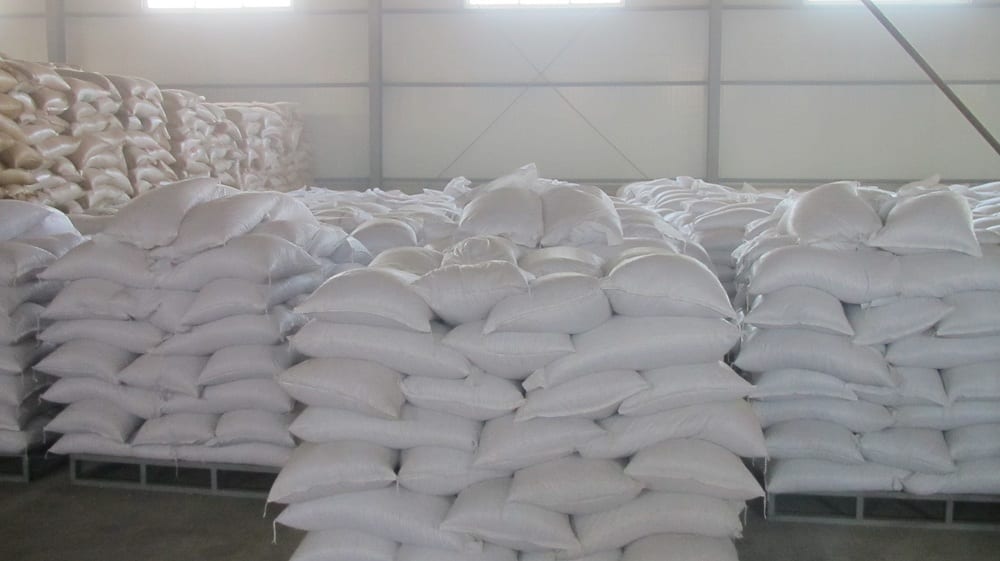
| Packaging and net weights | 50 kg bags, 1,000 kg (1 MT) jumbo bags, or bulk; the format for your order is confirmed on quotation |
| Container loading | 20ft and 40ft containers |
| Shelf life | Stated on the certificate of analysis |
| Storage conditions | Dry, covered storage away from strong-smelling cargo. Sugar takes up odour, and odour pick-up is detectable in a lightly flavoured drink long before it would be noticed in a baked product |
| HS heading | 1701.99 — refined sugar other than raw, within Harmonised System heading 1701; the operative code is your national tariff line, see sugar grades and the HS code |
| Documentation | Certificate of purity and ICUMSA certificate; certificate of analysis on request |
Terms of supply at a glance
For drinks production the sequence matters more than for any other grade on this site: the specification is agreed first, the lot is certified against it, and only then is a price meaningful. A quotation given before the specification is read is a guess.
| Term | Beverage grade refined cane sugar |
|---|---|
| Minimum order quantity | Confirmed on quotation — state your tonnage, your annual requirement and your destination |
| Incoterms offered | FOB, CFR and CIF (Incoterms 2020) |
| Port of loading | Santos, São Paulo, or Paranaguá, Paraná; confirmed on quotation |
| Lead time | Confirmed on quotation. Allow time for specification review and, where you require it, for pre-shipment testing against your parameters |
| Payment terms | Documentary letter of credit, or documentary collection; confirmed on quotation |
| Packaging | 50 kg bags, 1,000 kg jumbo bags or bulk — syrup rooms handling bags manually usually want the 50 kg unit, automated dissolving lines the jumbo bag |
| Inspection | SGS or an equivalent independent agency, at the buyer's option. On a beverage cargo, independent testing against your own parameter set is the inspection that is worth paying for |
| Certifications held | Confirmed on quotation and supplied with the specification pack |
How the sugar is refined
The refining sequence for cane is the same whoever the end buyer is:
-
Pressing the cane to extract the juice
-
Boiling the juice until it thickens and the sugar begins to crystallise
-
Spinning the crystals in a centrifuge to remove the syrup, which produces raw sugar
-
Shipping the raw sugar to a refinery, where it is washed and filtered to remove the remaining non-sugar material and colour
-
Crystallising, drying and packing the refined white sugar
Refined granulated sugar is pure crystalline sucrose, screened into several crystal sizes. Crystal size is a functional specification rather than a cosmetic one — it determines how fast the sugar goes into solution, how it meters and how it behaves in a mix — which is why processors specify it instead of leaving it to the mill.
Who buys beverage grade sugar
-
Soft-drink and carbonated-drinks producers, for syrup preparation
-
Juice, nectar and flavoured-water producers
-
Bottlers and co-packers working to a brand owner's specification
-
Brewers, distillers and cider makers
-
Energy and sports drink manufacturers
-
Syrup and concentrate houses supplying the drinks trade
The common thread is a clear or pale product in a transparent container, where any colour or haze the sugar brings with it is visible to the customer.
How it compares with the other grades
-
ICUMSA 45 sugar — the standard refined export grade, 99.8% sucrose, around 0.04% moisture, 45 ICUMSA colour maximum. The usual starting point for a drinks buyer, since beverage specifications call for a low ICUMSA figure.
-
Refined ICUMSA 35 sugar — refined sugar with a purer sucrose content and a drier, clearer grain, specified where a colour ceiling sits below 45.
-
Refined white sugar crystals — over 99.7% sucrose, no molasses or external impurities. A general-purpose white grade.
-
ICUMSA 100 cane sugar — 99.50% minimum polarisation, nearly white, lower cost. Used in drinks manufacturing where the product is not pale and clear.
-
VHP raw cane sugar, grade E — raw and unrefined, for refining and fermentation. Not a drinks ingredient except where the colour is wanted.
In practice the choice for a drinks buyer is between the low-ICUMSA refined grades, and it is decided by the parameters above rather than by the sucrose figure, which is effectively the same across all of them. For how the scale works, see what the ICUMSA number measures.
Packaging, containers and documentation
Orders load in 20ft and 40ft containers, in 50 kg bags, 1,000 kg jumbo bags or bulk, packed to suit your syrup room or repacking operation.
The documentary set for a cargo:
-
Certificate of purity and ICUMSA certificate, with the certificate of analysis for the lot. For drinks production you should request the certificate of analysis as a matter of course rather than as an exception, and you should match it to the lot number on the bags
-
Certificate of origin, issued through an accredited Brazilian certifier, which sets the tariff where your market applies a preferential rate
-
Quality and weight certificates, and an independent inspection or laboratory report against your own parameter set where the contract calls for one
-
Phytosanitary certificate where the destination requires it
-
Commercial invoice, packing list and bill of lading
How beverage grade sugar is priced
There is no list price. A physical quotation is a futures price plus a differential: refined white is priced against the London No. 5 white sugar contract, which trades at a premium — the white premium — over the ICE No. 11 raw sugar contract that the world prices raw sugar against. Your number depends on where those contracts sit when we quote, plus the differential for grade, specification, packaging, Incoterm, destination and volume.
Beverage grade carries one cost element the other grades do not: the specification itself. A tightened floc, microbiological or colour limit, and the testing that proves it was met, are real costs and they belong in the quotation rather than in a surprise at acceptance. The general mechanism is set out in how ICUMSA 45 sugar is priced per tonne.
We would rather tell you that than publish a figure that is wrong by the time you read it. Send the enquiry with the specification attached and we will price against the market on the day, firm for a stated validity.
Frequently asked questions
Is "beverage grade" an ICUMSA number? No. ICUMSA is a colour measurement and it is one line in a beverage specification, not the whole of it. The rest covers turbidity and floc, microbiology, ash or conductivity, moisture and crystal size. A sugar can hit a low ICUMSA figure and still fail a drinks specification on floc.
How is this different from ICUMSA 45? ICUMSA 45 is a grade defined by colour. Beverage grade is a specification defined by use, and it will normally require a low ICUMSA figure plus the additional parameters above. The two are not alternatives — a beverage specification is usually met by a low-ICUMSA refined sugar that has also been tested for the rest.
What is acid beverage floc, and why does it matter more than colour? It is haze or a visible thread that forms in an acidified sugar solution — a soft drink — from trace material that was invisible in the dry sugar. It can appear weeks after bottling, which means it reaches the consumer rather than the laboratory. Colour can be judged on arrival; floc cannot, which is why it is tested for rather than inspected.
Does it meet a named bottler's specification? Ask us, with the specification in hand, before you order. Brand owners publish their own sugar specifications to their bottlers and approve suppliers against them, and it is not something to take on trust from a product page. Send us the document and we will give you a straight yes or no.
What crystal size can you supply? Refined granulated sugar is screened into several crystal sizes, specified by sieve analysis and mean aperture rather than assumed. Tell us what your syrup room or blending line needs and we will confirm what is available against it.
What microbiological limits are certified? The counts your specification sets, certified on the lot's certificate of analysis — typically mesophilic bacteria, yeasts and moulds, reported per 10 g as most beverage specifications require. We state the certified figures for the lot rather than publishing a generic limit we would then have to qualify.
What is the minimum order quantity, and on which Incoterms do you sell? The minimum is confirmed on quotation; we sell FOB, CFR and CIF. Give us the tonnage, the destination port and the basis you want and all three come back with the price.
What should I put in the enquiry? The grade or the specification document, the volume, the destination port and the Incoterm. If you are working to a written beverage specification, attach it — that is faster than a conversation about grades, and it tells us immediately whether we can serve you.
Request a quotation
To quote, we need four things: the grade or your written specification, the volume, the destination port and the Incoterm. Send those and we will price the order against the market, confirm packaging and crystal size, and prepare the documentation.
If your specification sets limits we cannot meet, we will tell you that rather than ship against it and hope. Submit the enquiry form below or contact us.
Other sugar grades we supply
Contact us
Fields marked with an asterisk are required.