Nigeria is one of Africa's largest sugar markets and still imports most of the sugar it consumes. Under the National Sugar Master Plan, most imports arrive as raw sugar for the country's large port refineries, while refined white sugar imports face much higher duties and levies. So the right grade, the right importer status and the right documents decide whether a sugar import into Nigeria is viable. This guide explains how the Nigerian sugar market is structured, the import process from Form M to customs clearance, and what to agree with a Brazilian supplier.
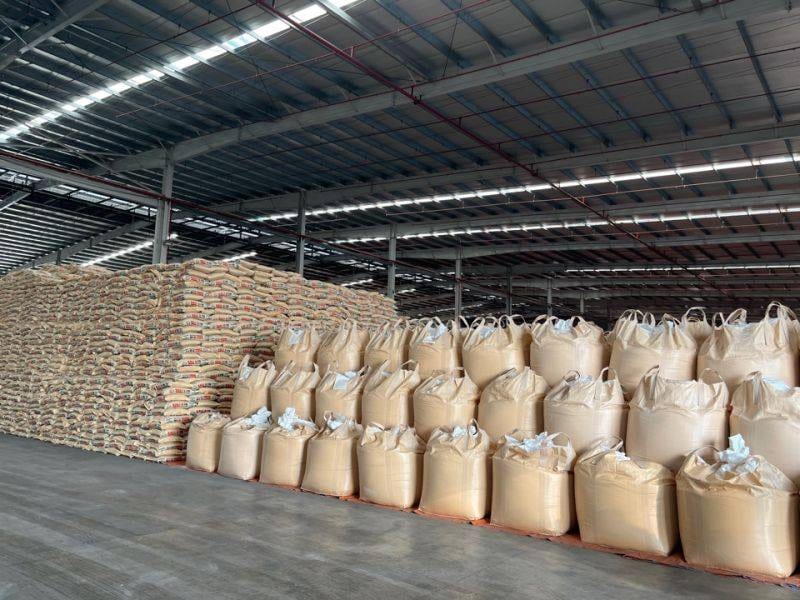
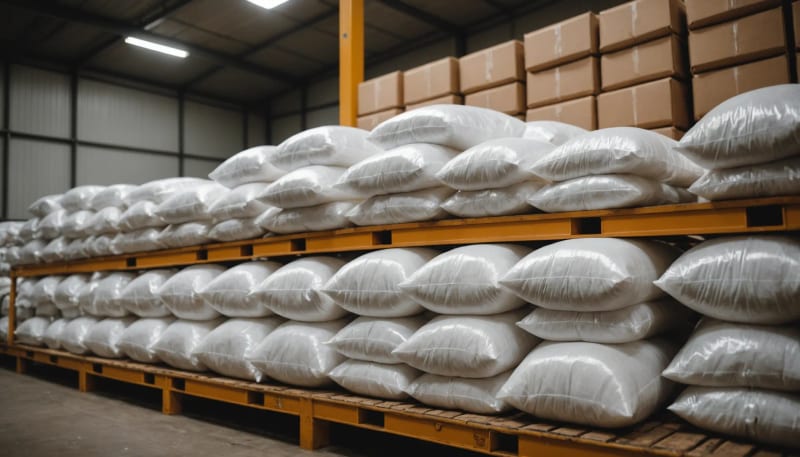
Bagged sugar for West Africa usually ships in 50 kg woven polypropylene bags in containers
How the Nigerian sugar market works
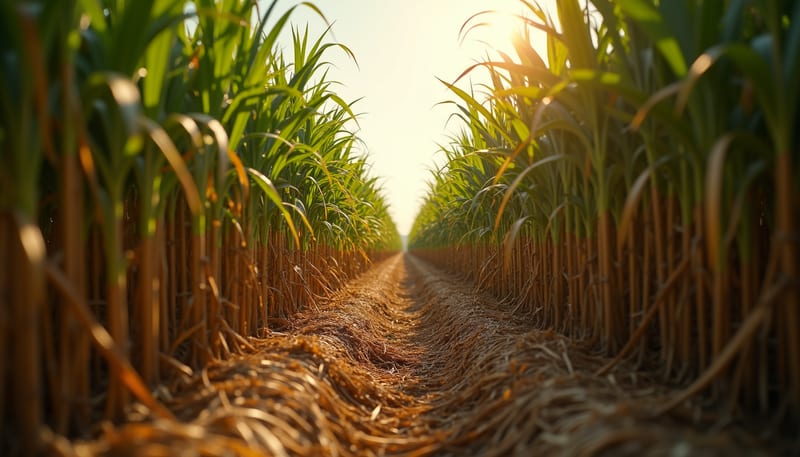
Nigeria grows some sugarcane, but domestic output covers only a small part of demand. The gap is filled by imports, almost all of it raw cane sugar shipped in bulk to refineries at the ports, mainly around Lagos and Port Harcourt. The largest refiners, Dangote Sugar Refinery, BUA Sugar Refinery and Golden Sugar Company (Flour Mills of Nigeria), turn it into the refined white sugar sold across Nigeria and into neighbouring countries.
Brazil is the main origin for that raw sugar, because its VHP raw sugar is the world's standard refinery feedstock. See VHP sugar explained.
The National Sugar Master Plan (NSMP)
The Nigeria Sugar Master Plan, overseen by the National Sugar Development Council (NSDC), aims to raise local cane and sugar production and cut dependence on imports. Its central tool is backward integration: companies that import raw sugar for refining commit to developing local cane estates and mills, and in return have access to import concessions. Policy details, such as levies, quotas and the treatment of refined sugar, have been revised several times, so check the current position with the NSDC, the Nigeria Customs Service and your customs broker before you contract.
What this means in practice:
- Raw sugar for refining is imported mainly by the licensed refiners within the backward-integration framework.
- Refined white sugar imports are possible, but the combined duty and levies are much higher, which limits them to specific users and situations.
- Smaller importers and distributors usually buy refined sugar locally from the refiners, or import refined sugar only where the landed cost still works.
Which sugar grades go to Nigeria?
| Grade | Typical Nigerian buyer | Notes |
|---|---|---|
| Raw cane sugar / VHP, ICUMSA 600–1,200 | Port refineries | Bulk vessels, large cargoes |
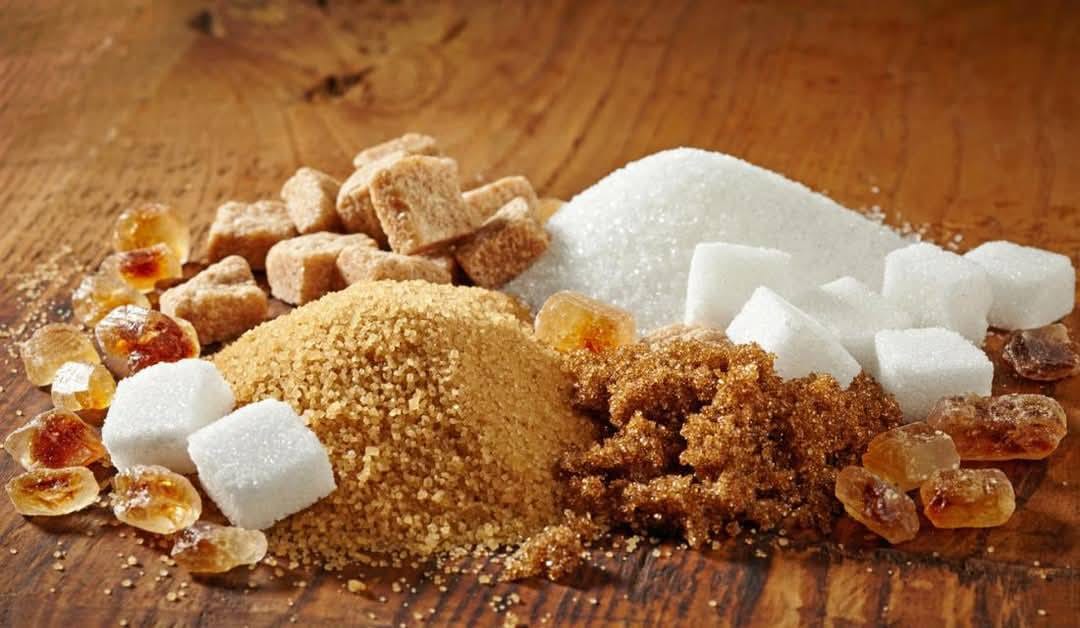
| ICUMSA 45 refined white | Beverage and food manufacturers, some distributors | Containers, 50 kg bags; check duty before buying |
| ICUMSA 35 / beverage grade | Soft drink bottlers | Tight colour and microbiology limits |
| ICUMSA 100–150 | Price-sensitive industrial users | Edible, slightly off-white |
The import process, step by step
- Register and prepare. The importer needs to be a registered Nigerian company with the required tax and customs registrations. Food products must comply with NAFDAC (National Agency for Food and Drug Administration and Control) rules for registration and labelling of products sold in Nigeria.
- Agree the contract with the supplier: grade, specification, quantity, packaging, Incoterm (usually CFR or CIF Lagos/Apapa, Tin Can Island or Onne), shipment period and payment. See Incoterms for sugar.
- Open Form M. Every import into Nigeria must be declared on Form M through an authorised dealer bank on the Central Bank of Nigeria's electronic platform before shipment. The Form M number then appears on the shipping documents.
- Arrange payment. A documentary letter of credit, linked to the Form M, is the usual route for a first shipment. See SBLC vs letter of credit.
- Shipment and documents. The seller loads, the inspector certifies, and the documents are sent through the banks: bill of lading, commercial invoice, packing list, certificate of analysis, certificate of origin, weight and quality certificates, and any phytosanitary or fumigation certificate required. See sugar inspection and certificates.
- Pre-arrival assessment. Customs issues a pre-arrival assessment based on the Form M and documents, which sets the duties payable.
- Clearance. Duties and levies are paid, NAFDAC and other agencies carry out their checks, and the cargo is released at the port.
Duties and levies
Sugar falls under HS heading 1701; Nigeria applies the ECOWAS Common External Tariff plus national levies, and the rates differ sharply between raw sugar for refining and refined white sugar. Because these rates and any concessions change with budget and sugar-policy decisions, confirm the current figures with a licensed customs broker or the Nigeria Customs Service tariff before pricing a deal. Our guide to sugar HS codes explains which subheading your grade falls under.
Shipping sugar from Brazil to Nigeria
- Ports: Santos or Paranaguá in Brazil to Apapa, Tin Can Island or Onne in Nigeria. See Brazil's sugar ports.
- Transit: the South Atlantic crossing to West Africa is one of the shorter long-haul routes from Brazil; your quotation gives a shipment window, and congestion at Lagos ports can add time.
- Packaging: refined sugar in 50 kg woven polypropylene bags with inner liners, about 25 tonnes per 20 ft container. See sugar packaging for export.
- Climate: high humidity makes good storage essential on arrival. See sugar storage and shelf life.
Avoiding sugar scams in Nigeria
Nigeria-bound sugar deals attract the same fake "ICUMSA 45, 50,000 MT monthly" offers seen worldwide, and fraudsters also impersonate genuine exporters. Never pay a "procedure fee", never pay into a personal account, and verify the exporter's company registration and bank details independently. Our guide to SCO, FCO and ICPO red flags lists the warning signs.
Buying sugar for Nigeria from us
We ship Brazilian refined and raw cane sugar CFR or CIF to Nigerian ports, against a documentary letter of credit or documentary collection through the banks. Send the grade, tonnage, destination port and your Form M timing, and we will confirm specification, packaging and shipment window. Request a quotation.
Frequently asked questions
Does Nigeria import sugar? Yes. Nigeria imports most of the sugar it consumes, mainly as raw sugar refined at local port refineries.
Where does Nigeria import sugar from? Mostly from Brazil, the world's largest raw sugar exporter.
What is Form M? The mandatory import declaration that a Nigerian importer files through an authorised bank on the Central Bank of Nigeria's platform before goods are shipped.
Can I import refined sugar into Nigeria? Yes, but refined sugar attracts much higher duties and levies than raw sugar for refining. Check the current rates with a customs broker before contracting.
What is the Nigeria Sugar Master Plan? A national policy, managed by the National Sugar Development Council, that links raw sugar import concessions to investment in local cane and sugar production.
Which Nigerian port receives sugar? Most sugar arrives through the Lagos ports, Apapa and Tin Can Island, with some through Onne and Port Harcourt.