Sugar Suppliers in UAE: five steps to choosing one
The UAE is a trading hub, and much of the sugar consumed and re-exported through it arrives as an import rather than being produced locally. For a buyer in Dubai, Abu Dhabi or Sharjah that means the real decision is not which local reseller to call — it is what specification you need, which origin can supply it, and whether you are buying a landed price or a price alongside the vessel. These five steps are the process.
1. Define the specification before you ask for a price
Nearly every stalled sugar negotiation stalls because the specification was never written down.
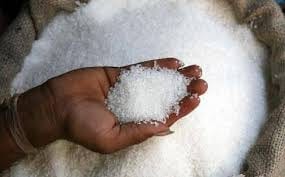
- Grade. State the ICUMSA figure, not just "white sugar". ICUMSA 45 is the grade most UAE enquiries are actually about — refined white, low colour, used in beverages, confectionery, pharmaceuticals and cosmetics. If you need something less refined, ICUMSA 100 or raw brown cane sugar may be the correct and cheaper answer.
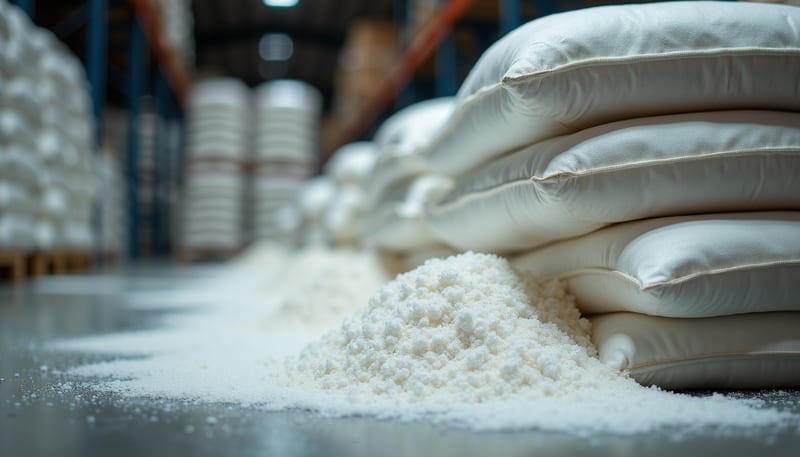
- Granulation and packaging. 50 kg bags, 1 MT jumbo bags or bulk, and how it will be handled at your end.
- Tonnage, and whether this is a single container or a contract across the year.
- Destination port. Jebel Ali and Khalifa Port are the usual entry points; name the one you want quoted.
The ICUMSA colour scale and grade chart explains what each grade number means and what it is normally used for, which is the fastest way to settle this step.
2. Work out whether you are buying from a reseller or an origin exporter
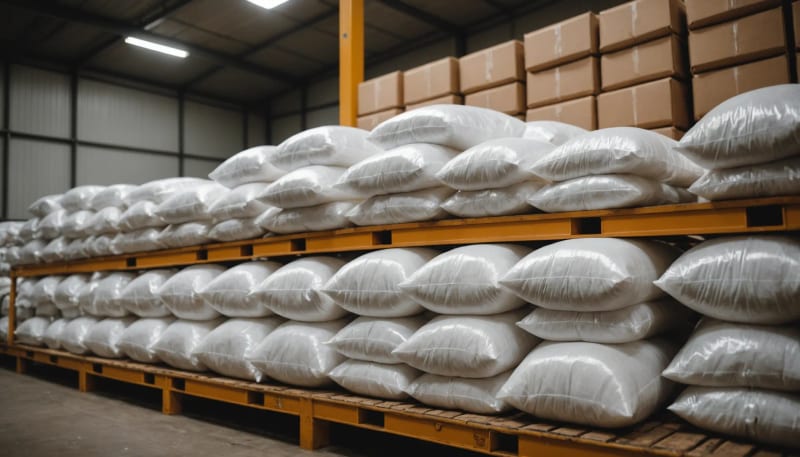
A UAE-based trader holding stock in a free zone and a Brazilian exporter loading at Santos are two different purchases, and both can be right:
- Local stock gives you short lead time and small quantities, with the holding cost priced in.
- Origin supply gives you the specification you asked for, the full document set and a price built from the world benchmark rather than from someone's inventory — at the cost of a shipment cycle.
What you should not accept from either is a seller who will not say which of the two they are. The four roles in the sugar supply chain — mill, refiner, export trading house and broker — determine what a counterparty can actually promise you.
3. Verify the counterparty, not the website
- Ask for a company registration number you can check. A Brazilian exporter has a CNPJ; ask for it and verify it.
- Ask for evidence of shipment history — a redacted bill of lading or a previous certificate of origin.
- Ask for the certificate behind any certification claim, with its number and issuing body. A claim in a brochure is not a certificate.
- Insist the specification is agreed in writing before the price.
- Expect payment through the banking channel — documentary letter of credit or documentary collection. Anything outside it should end the conversation.
Our full checklist for qualifying and verifying a bulk sugar supplier sets out the checks and the red flags. Apply it to us too.
4. Compare quotations on the same basis
A CIF Jebel Ali price and an FOB Santos price are not comparable, and most apparent bargains in this trade are an Incoterm difference presented as a discount. Before comparing numbers, confirm that both offers state:
- the same grade and ICUMSA ceiling;
- the same Incoterm and named port;
- the same packaging and net weight per unit;
- the same tonnage;
- a validity period.
Price itself is built from the ICE No. 11 raw sugar benchmark plus a refined white premium, then adjusted for your terms — how a quotation is assembled explains each layer, so you can tell a serious number from a placeholder.
5. Plan the documents and the duty, then contract
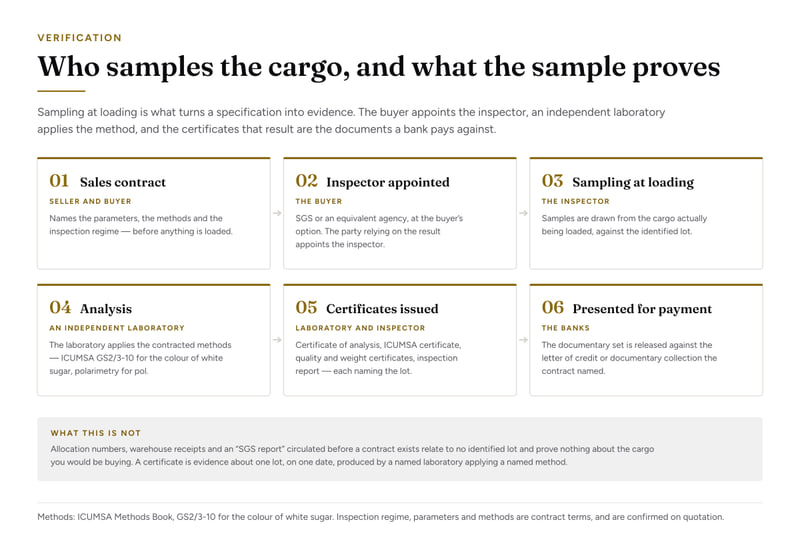
For a UAE import, the paper matters as much as the cargo: certificate of analysis for your lot, ICUMSA certificate, certificate of origin from an accredited certifier in the country of origin, weight and quality certificates, and third-party inspection at loading where you want it. For Arab-League destinations the preferential certificate of origin determines the tariff you pay, which makes it a line in your landed cost rather than a formality. The full purchase sequence and document list is set out separately.
Supplying the UAE from Brazil
We are an export trading house in Brazil, not a mill: we source refined and raw cane sugar from Brazilian producers against your written specification and sell FOB Santos or Paranaguá, or CFR/CIF to Jebel Ali and Khalifa Port, with the export documentation prepared in Brazil. Minimum order quantity, Incoterms, lead time, payment terms and container configuration are confirmed on quotation, because each moves with grade, tonnage and destination. Specification figures for your lot are stated on the certificate of analysis.
Send the grade, the tonnage and the destination port and you will get a quotation against those three. Contact Brazil Sugar Top Suppliers.
Recent Posts
The Ultimate Guide to Buy Sugar in Bulk: Smart Tips and Benefits
The Ultimate Guide to Wholesale Sugar Suppliers: How to Choose the Best Partner for Your Business
Unlocking the Potential of Sugar Wholesale: A Comprehensive Guide