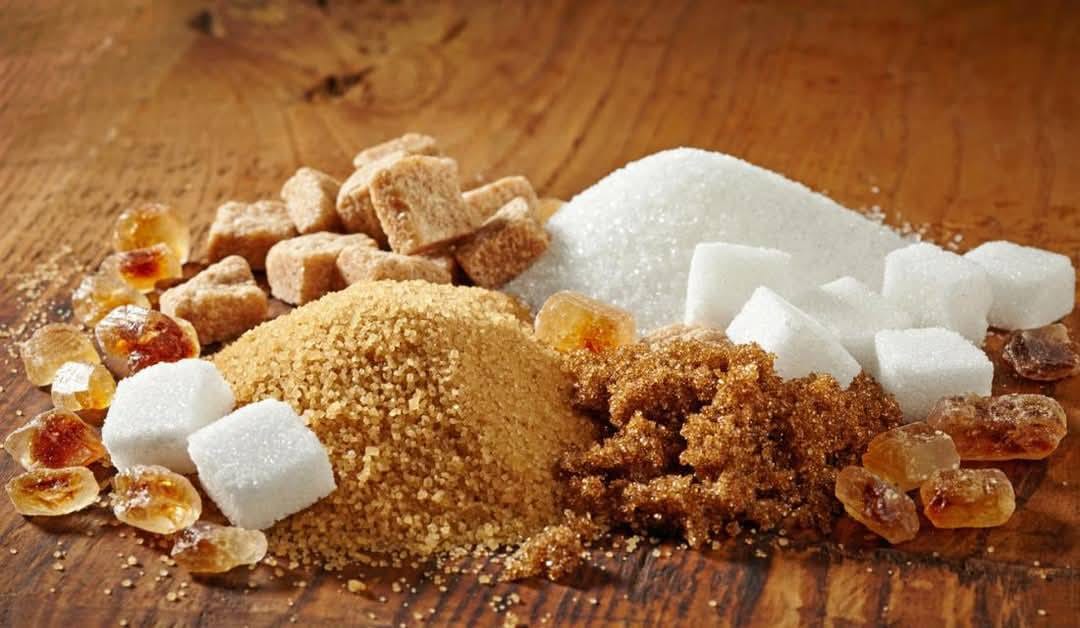
A variety of Brazilian sugar types, including raw, brown, and white, are beautifully displayed on a wooden table.
To buy sugar from Brazil you send three things — grade, tonnage and destination port — and you receive a quotation against them. Everything else in the process follows from those three. This page sets out the full sequence, what each Incoterm makes you responsible for, which documents travel with the cargo, and the terms we confirm when we quote. It is written for a buyer in Abu Dhabi, Mumbai, Lagos or Jakarta as much as for one in Europe or North America.
The three things to put in your first message
Most enquiries in this trade cannot be answered because they are missing one of these. Include all three and the first reply can be a real quotation rather than a request for more information:
- Grade. The ICUMSA figure, not just "white sugar". If you are not sure which grade your process needs, the ICUMSA colour scale and grade chart explains what each number means and what it is normally used for.
- Tonnage, and whether this is a single shipment or a contract across several.
- Destination port, named — and the Incoterm you want it quoted on.
Useful to add, if you know them: packaging (50 kg bags, 1 MT jumbo bags or bulk), your target shipment window, and any inspection or certification your importing country requires. If you want those settled before you write, the five decisions that come before price works through grade, unit, Incoterm, counterparty and documents in order.
Which grades ship out of Brazil
Brazil exports across the whole ICUMSA range, and the grade you choose is a specification decision, not a quality ranking:
- ICUMSA 45 refined white — the top of the refined range, used in beverages, confectionery, pharmaceuticals and cosmetics.
- ICUMSA 35 refined white — the most refined grade in the set.
- Refined white sugar crystals — granulated, multi-refined, for baking, desserts and beverage production.
- Beverage grade refined cane sugar — specified for soft-drink bottling.
- ICUMSA 100 cane sugar — a mid grade for high-volume applications that do not need full refinement.
- Raw brown cane sugar, ICUMSA 600–1200 — the VHP-type raw export grade, bought by refineries, distilleries and fermentation plants.
The purchase sequence, step by step
1. Enquiry
You send grade, tonnage and destination port. We confirm whether we can serve it and ask for anything missing.
2. Specification confirmed in writing
Before any price is agreed, the specification is written down: ICUMSA colour ceiling, the parameters stated on the certificate of analysis, packaging and net weight per unit. A specification agreed by email is the document you hold the shipment to.
3. Quotation
The quotation states the Incoterm, the named port, the packaging, the tonnage it applies to, the payment mechanism and how long it stands. Price is quoted against the ICE No. 11 raw sugar contract as the underlying benchmark, with a premium for refined white — how that number is built is worth reading before you compare offers.
4. Contract
A sales contract records the specification, quantity and tolerance, Incoterm and port, shipment window, payment terms, inspection regime and the documents to be presented.
5. Payment mechanism opened
For export cargoes the common instruments are a documentary letter of credit confirmed through a bank you nominate, or documentary collection. Both are designed so that documents and money move against each other rather than on trust. Our payment terms are confirmed on quotation, because they move with volume, destination and whether the trade is a first shipment or a repeat.
6. Shipment and documents
The cargo is stuffed and loaded at the port of loading, and the document set is presented through the banking channel.
Who pays for what: FOB, CFR and CIF
Nearly every disagreement about price in this trade is actually a disagreement about Incoterm. Under the Incoterms rules:
| FOB named port of shipment | CFR named port of destination | CIF named port of destination | |
|---|---|---|---|
| Export clearance in Brazil | Seller | Seller | Seller |
| Loading on board | Seller | Seller | Seller |
| Ocean freight | Buyer | Seller | Seller |
| Marine insurance | Buyer | Buyer | Seller (minimum cover) |
| Risk passes | On board at loading port | On board at loading port | On board at loading port |
| Import clearance and duty | Buyer | Buyer | Buyer |
Two points buyers miss. First, under CFR and CIF the seller pays the freight but risk still passes when the goods are on board in Brazil — the carriage is bought on your behalf, it is not a delivery guarantee. Second, the minimum insurance cover under CIF is a minimum; if your cargo or your financing needs more, say so and insure it yourself.
Documents that travel with the cargo
- Commercial invoice and packing list.
- Bill of lading, issued by the carrier.
- Certificate of analysis, stating the measured parameters for your lot.
- ICUMSA certificate, evidencing the colour grade you contracted for.
- Certificate of origin, issued through an accredited Brazilian certifier. For Arab-League destinations the preferential certificate of origin determines the tariff you pay — it is a line in your landed cost, not a formality.
- Weight and quality certificates, and third-party inspection by SGS, Intertek or an equivalent where you require it.
- Phytosanitary certificate where your importing country requires one.
What we confirm when we quote
Minimum order quantity, Incoterms offered, port of loading, lead time, payment terms, packaging and container configuration are confirmed on quotation. They are not withheld — they move with grade, tonnage and destination, so a single published figure for any of them would be wrong for most buyers who read it. The specification figures for your lot are stated on the certificate of analysis.
Brazil loads bulk sugar principally through Santos and Paranaguá, and the Centre-South crush runs from roughly April to November, which is what makes shipment timing a real part of the conversation rather than an afterthought.
Before you commit: verify the counterparty
The weakest link in this trade is not the sugar, it is the chain of intermediaries between you and the mill. Ask any seller to evidence that it exists, that it exports, and that it has the cargo. Our checklist for qualifying and verifying a bulk sugar supplier sets out what to demand and which answers should stop a negotiation.
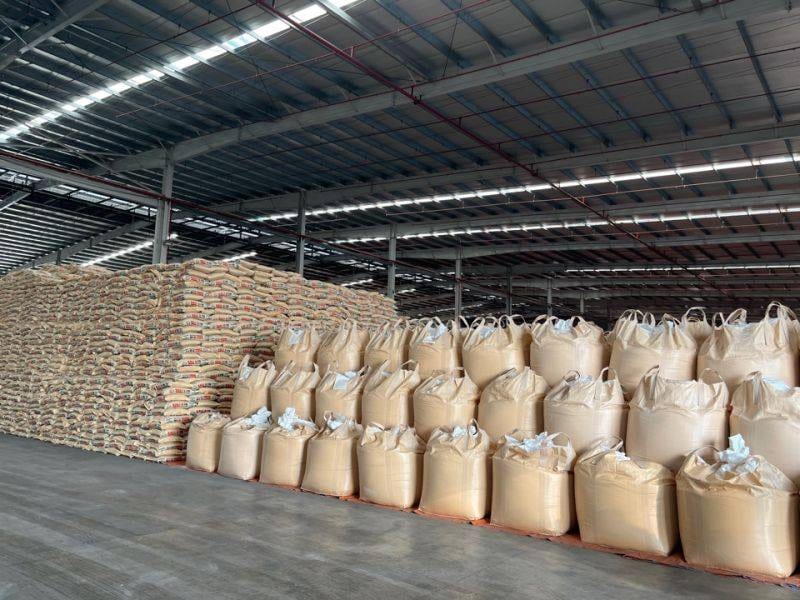
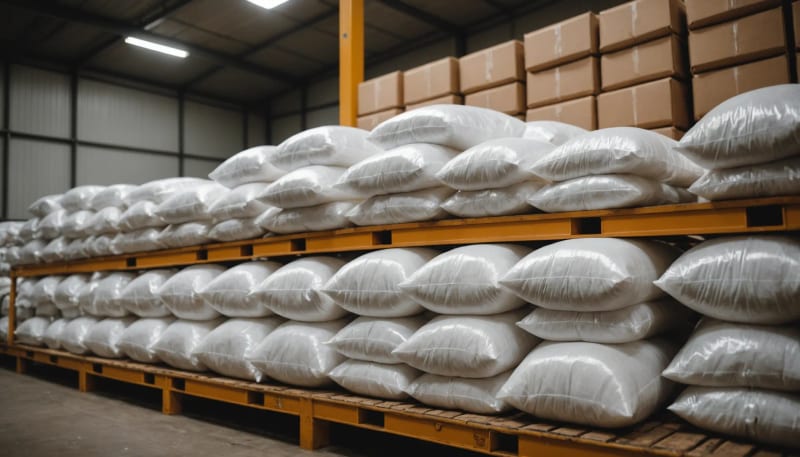
Sacks and bags of Brazilian sugar neatly stocked in a spacious warehouse, highlighting a large-scale supply ready for distribution.
Start an enquiry
Send the grade, the tonnage and the destination port. Contact Brazil Sugar Top Suppliers and the reply will quote against those three rather than ask you to start again.
Recent Posts
The Ultimate Guide to Buy Sugar in Bulk: Smart Tips and Benefits
The Ultimate Guide to Wholesale Sugar Suppliers: How to Choose the Best Partner for Your Business
Unlocking the Potential of Sugar Wholesale: A Comprehensive Guide