There is no single "sugar price today". The world prices sugar off two futures contracts on ICE: Sugar No. 11 for raw cane sugar, quoted in US cents per pound, and London White Sugar No. 5 for refined white sugar, quoted in US dollars per tonne. Every physical price, from a 50 kg bag in a wholesale market to a 30,000-tonne cargo of Brazilian VHP, starts from one of these two numbers. This page explains where to find today's prices, how to convert them to a price per ton, and why the price you are quoted differs from the screen.
Where to check the sugar price today (reviewed 24 November 2026)
- Raw sugar price: ICE Sugar No. 11 futures, US cents per pound, raw cane sugar FOB the origin port.
- White sugar price: ICE London White Sugar No. 5 futures, US dollars per tonne, refined white sugar FOB the origin port.
- Monthly averages and history: the ISO sugar price page and the USDA's Sugar and Sweeteners Yearbook tables.
We do not copy futures prices onto this page, because they change every minute the market is open and a stale number is worse than none.
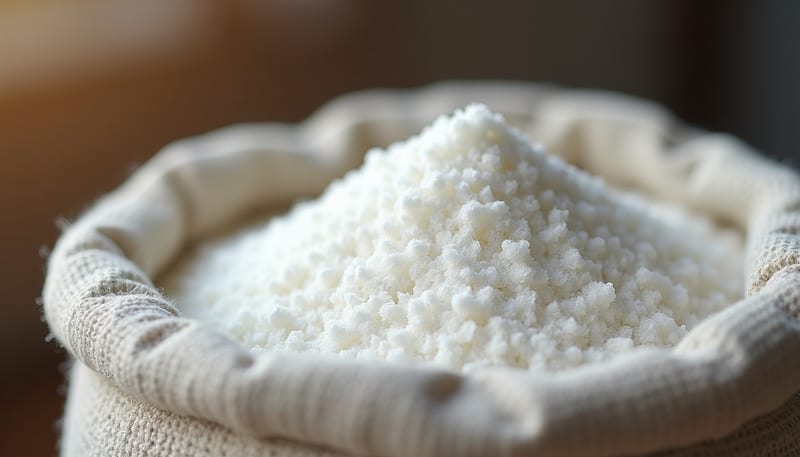
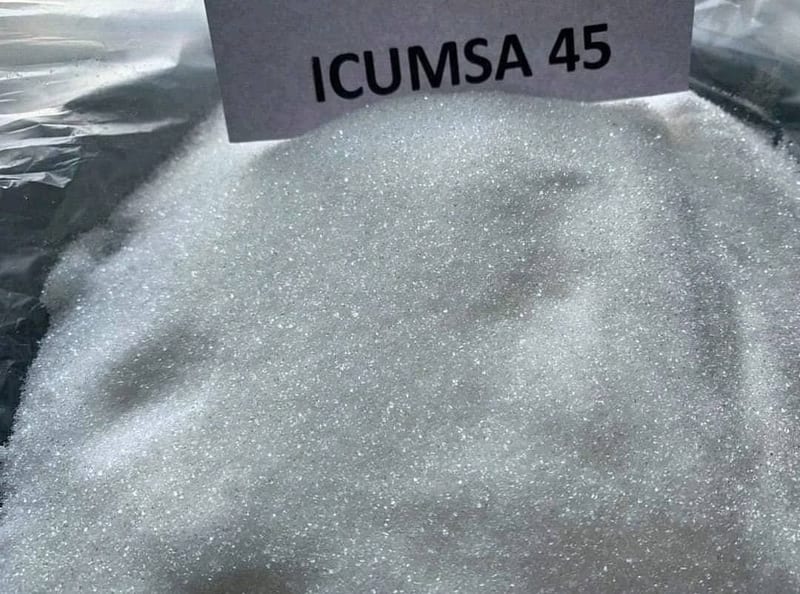
Refined white sugar of the kind priced off the London No. 5 contract
Raw sugar price: ICE Sugar No. 11
Sugar No. 11 is the world's benchmark for raw cane sugar. It is traded on ICE Futures US in New York.
- What it covers: raw centrifugal cane sugar of 96 degrees average polarisation, delivered FOB a vessel at a port in one of about 30 approved origin countries, including Brazil, Thailand, India and Australia.
- Unit: US cents per pound. A contract is 50 long tons, about 50.8 tonnes.
- Delivery months: March, May, July and October.
- Who uses it: refiners, mills, traders and anyone pricing raw sugar such as Brazilian VHP. Because Brazil is by far the largest exporter, the No. 11 price is in practice a price for Brazilian raw sugar.
When news reports say "sugar prices rose today", they almost always mean the front-month No. 11 contract.
White sugar price: ICE London No. 5
London No. 5 is the benchmark for refined white sugar. It trades on ICE Futures Europe in London.
- What it covers: white beet or cane crystal sugar with a colour of no more than 45 ICUMSA units, delivered FOB in 50 kg bags or bulk at approved ports.
- Unit: US dollars per tonne. A contract is 50 tonnes.
- Delivery months: March, May, August, October and December.
- Who uses it: refiners, white sugar exporters and buyers of ICUMSA 45 refined sugar.
Because the contract specification is 45 ICUMSA, London No. 5 is the reference for "ICUMSA 45 price" searches. Lower-colour sugar such as ICUMSA 35 trades at a premium to it, and higher-colour grades such as ICUMSA 100 at a discount.
How to convert the sugar price to price per ton
Raw sugar is quoted in cents per pound and white sugar in dollars per tonne, so you need one conversion to compare them.
USD per tonne = US cents per pound × 22.046
The factor comes from 2,204.6 pounds in a metric tonne, divided by 100 cents in a dollar. For example, a No. 11 price of 20.00 cents per pound converts to 20.00 × 22.046 = USD 440.92 per tonne. That is arithmetic, not a quote: use the live No. 11 figure from ICE to get today's raw sugar price per ton.
The white premium: the gap between white and raw
The difference between the London No. 5 price and the No. 11 price converted to dollars per tonne is called the white premium. It is the market's price for turning raw sugar into refined white sugar.
White premium = No. 5 price (USD/t) − No. 11 price (c/lb × 22.046)
The premium widens when refined sugar is scarce, for example when refineries in the Middle East or Asia cut runs, and narrows when there is plenty of white sugar or raw sugar is tight. It also matters for mills in Brazil: when the premium is wide, it pays them to refine more of their output into white sugar instead of shipping raw.
Export sugar is priced as a futures benchmark plus or minus a physical premium
Why your quoted sugar price differs from the futures price
A futures price is for a standard lot, at an origin port, on a delivery month. A physical quotation adds the things that make your purchase different:
- Grade. Raw VHP, ICUMSA 45, ICUMSA 100 and crystal white each trade at their own premium or discount to the benchmark. See our ICUMSA grade chart.
- Polarisation. Raw sugar is adjusted for every degree of pol above or below the 96° contract basis. Brazilian VHP at around 99° pol earns a premium.
- Packaging. Bulk is cheapest. 1 MT jumbo bags and 50 kg bags add the cost of the bag and the bagging line.
- Incoterm. FOB Santos excludes ocean freight. CFR and CIF to your port add it, and CIF adds insurance.
- Volume and timing. A single container and a monthly programme are priced differently, and sugar for shipment during Brazil's April–November crush is easier to source than off-season cargo.
- Exchange rate. Brazilian costs are in reais. A weaker real makes Brazilian sellers more willing to offer at a given dollar price.
The step-by-step build-up of an ICUMSA 45 offer is in ICUMSA 45 sugar price per ton, and the multi-grade view is in Brazil sugar price.
What moves the sugar price day to day
- Brazil's crop. UNICA publishes Centre-South crush figures every two weeks during the season. A drop in cane crushed, sugar per tonne of cane or the share of cane going to sugar usually lifts prices.
- The sugar–ethanol split. Brazilian mills choose between sugar and ethanol. For 2026/27 the USDA expects 52% of cane to go to ethanol after the gasoline blend rose to 30%, which reduces sugar supply.
- India and Thailand. India's export quotas and Thailand's crop can add or remove millions of tonnes from the world market.
- Crude oil and the real. Higher oil prices make ethanol more attractive; a stronger real makes Brazilian sugar dearer in dollars.
- Funds. Speculative positions on ICE can amplify moves in either direction.
Our sugar market trends and outlook covers the current USDA forecasts behind these drivers.
How to use the sugar price when you buy
- Ask what the offer is based on. A credible quotation names the benchmark (No. 11 or No. 5), the delivery month it references and the premium or discount applied.
- Compare like with like. Put every offer on the same grade, Incoterm, packaging and volume before comparing numbers.
- Check the validity. Physical offers are usually firm for a short, stated period because the futures market keeps moving.
- Be wary of fixed prices far below the market. An ICUMSA 45 offer well under the London No. 5 price, especially one requiring an upfront fee, is a common sign of fraud. Our guide to finding reliable sugar suppliers in Brazil explains the warning signs.
When you are ready for a firm number, send us your grade, tonnage and port and we will quote against the market on the day.
Frequently asked questions
What is the sugar price today? The live raw sugar price is the front-month ICE Sugar No. 11 futures contract, in US cents per pound; the live white sugar price is the front-month ICE London No. 5 contract, in US dollars per tonne. Both are published on the ICE website and by financial news services.
What is the difference between raw sugar price and white sugar price? Raw sugar (No. 11) is unrefined cane sugar at 96° polarisation; white sugar (No. 5) is refined sugar of 45 ICUMSA or less. White sugar costs more, and the gap is called the white premium.
How do I convert cents per pound to price per ton? Multiply the cents-per-pound price by 22.046 to get US dollars per metric tonne.
Is the London No. 5 price the same as the ICUMSA 45 price? It is the benchmark for it. Physical ICUMSA 45 from Brazil trades at a premium or discount to London No. 5 depending on packaging, volume, shipment month and destination.
Why do sugar prices change so often? Because sugar futures trade continuously and react to crop reports from Brazil, India and Thailand, ethanol and oil prices, currency moves and fund buying or selling.