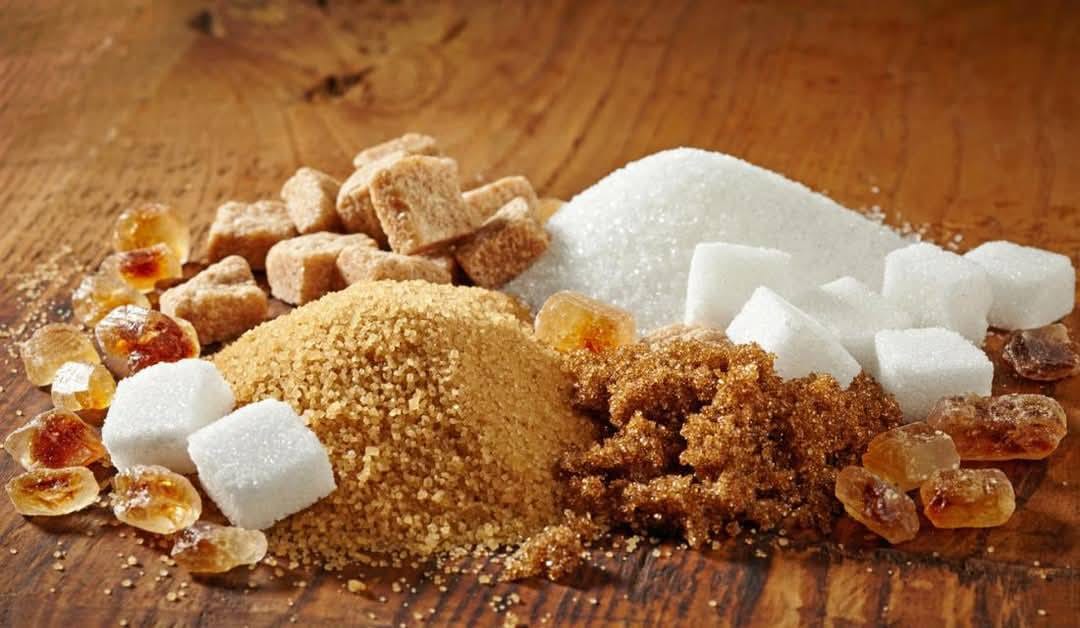
The biggest challenges in modern sugar processing are losing sucrose between field and crystal, controlling colour and impurities, using less energy and water, handling effluent, and coping with weather and price swings that change what a mill should make. For a buyer, these are not abstract industry problems: each one shows up somewhere in the specification, the price or the reliability of supply. This guide explains the main challenges, how Brazilian mills deal with them, and what they mean for the sugar you buy.
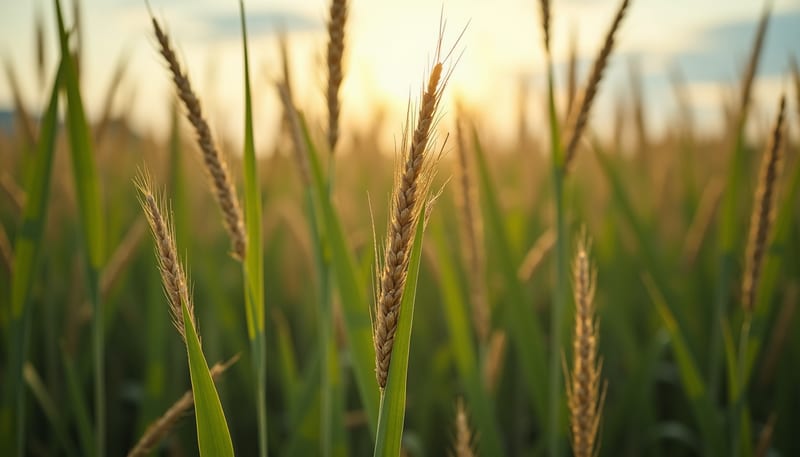
Flowering cane: once the crop flowers, sucrose content can start to fall, one of many timing problems mills manage
1. Losing sucrose after the cane is cut
Cane starts to deteriorate as soon as it is cut. Enzymes and bacteria break sucrose down into glucose and fructose, which cannot be crystallised and end up in molasses. One bacterium in particular, Leuconostoc mesenteroides, also produces dextran, a gum that slows filtration, distorts crystals and is penalised in raw sugar contracts.
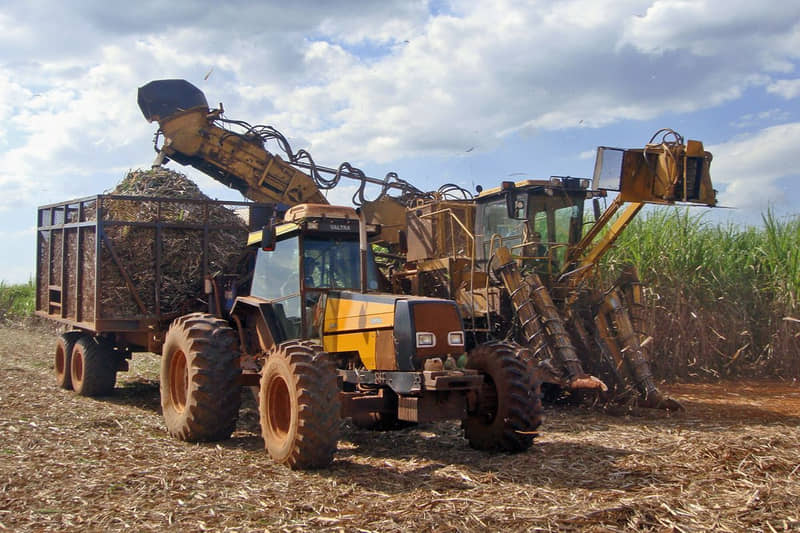
How mills respond: they cut and crush on a tight schedule, keep cane in transit for hours rather than days, and favour short haul distances, which is why Brazilian mills sit in the middle of their own cane areas. Billet cane from mechanical harvesters deteriorates faster than whole stalks, so the logistics are planned around the crushing rate.
What it means for you: dextran and reducing sugars appear on the specification for raw cane sugar. If you refine, ask for them on the certificate of analysis.
2. Mineral and vegetable impurities from mechanical harvesting
Brazil's Centre-South has almost entirely moved from manual, burnt-cane harvesting to green mechanical harvesting, after São Paulo state legislation and the 2007 agro-environmental protocol phased out pre-harvest burning. This was a major environmental gain, but harvesters bring more soil and leaves into the mill.
Soil raises ash and wears equipment; leaves and tops add colour and lower juice purity.
How mills respond: dry cleaning stations that blow off trash before crushing, better harvester settings, and in some mills, collecting straw separately to burn for electricity.
What it means for you: higher ash and colour put pressure on the tighter specifications of ICUMSA 45 and ICUMSA 35. Consistency between lots is a sign of good process control.
3. Controlling colour, ash and turbidity
Colour is the headline quality measure in the sugar trade, and it is formed throughout the process: from plant pigments in the cane, from browning reactions when juice is heated, and from iron and other metals.
How mills respond: careful juice clarification with lime and heat, sulphitation or phosphatation, limited residence time at high temperature, and in refineries, decolourisation with carbonatation, ion-exchange resins or activated carbon.
What it means for you: the ICUMSA number on your certificate is the result of all of this. Our ICUMSA grade chart explains what each figure means. Beverage buyers also need low turbidity and no acid beverage floc, which is why beverage-grade sugar is tested separately.
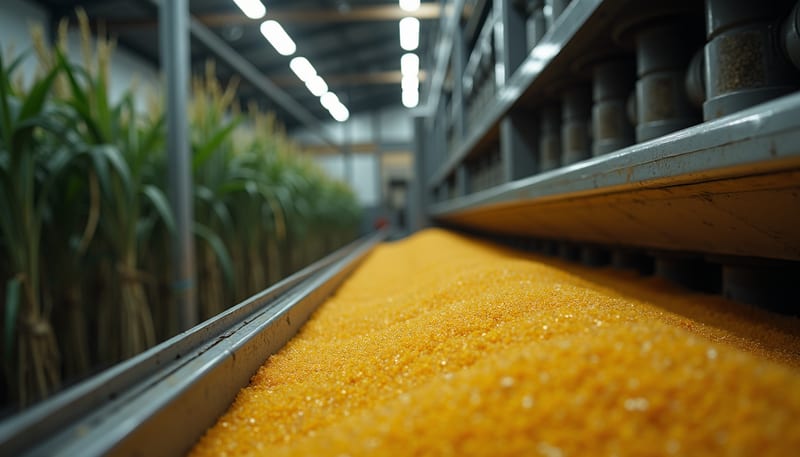
Mill machinery has to handle cane, soil and fibre at high throughput for eight months a year
4. Scale and fouling in evaporators
When juice is concentrated, calcium salts and silica deposit as scale on evaporator tubes. Scale cuts heat transfer, raises steam use and forces mills to stop for cleaning.
How mills respond: chemical antiscalants, scheduled cleaning, better clarification upstream, and evaporator designs that are easier to clean.
What it means for you: unplanned stops reduce output during the crush, which is one reason a mill's allocation to you can change during a season.
5. Energy and water use
A sugar mill needs a lot of steam and power. Cane mills have an advantage: bagasse, the fibre left after crushing, is burned in boilers to make steam and electricity. Many Brazilian mills export surplus power to the grid. The challenge is efficiency: older, low-pressure boilers waste much of the bagasse's potential.
Water is the other constraint. Cane is about 70% water, and modern mills recycle much of it, but washing, cooling and cleaning still draw on local supplies, which matters in dry years.
How mills respond: high-pressure boilers, closed water circuits, dry cane cleaning instead of washing, and use of straw as extra fuel.
6. Effluent and by-products
Mills that also make ethanol produce vinasse, the liquid left after distillation, in large volumes. In Brazil it is mainly returned to the cane fields as fertiliser under environmental rules. Other by-products include filter cake, used as fertiliser, and molasses, used for ethanol and feed.
How mills respond: fertirrigation, concentration of vinasse, and increasingly, biogas plants that turn vinasse into energy.
What it means for you: environmental performance is now audited by many brand owners. If you need a sustainability certificate such as Bonsucro, it is issued to a specific mill; ask which mill your cargo comes from.
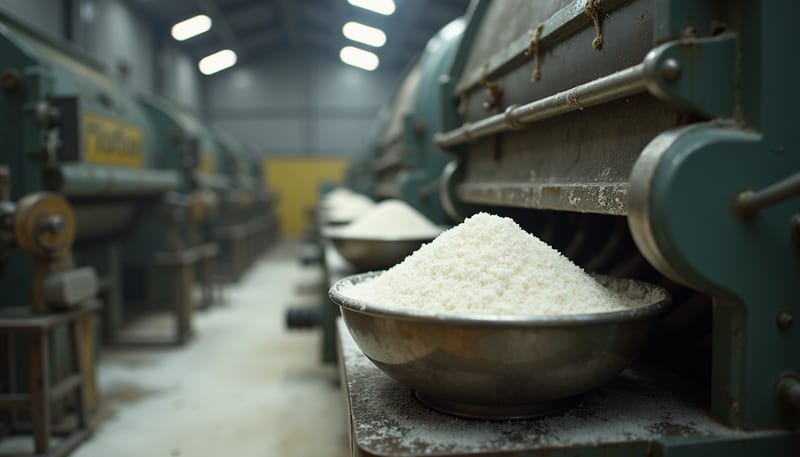
Centrifuges and dryers: the last steps where crystal size and moisture are fixed
7. Choosing between sugar and ethanol
Most Brazilian mills have both a sugar factory and a distillery. Each season, and often each week, they decide how much juice to send to each, based on sugar prices, ethanol prices and contracts.
That flexibility is a strength, but it adds uncertainty for buyers. For 2026/27, the USDA expects Brazilian mills to send 52% of cane to ethanol and 48% to sugar, after the gasoline ethanol blend was raised from 27% to 30% in August 2025. A small shift in that mix moves millions of tonnes of sugar.
What it means for you: contract early in the season if you need a firm allocation. Our market outlook tracks the mix.
8. Weather and climate
Drought cuts cane growth; frost damages cane in the south; fire risk rises in dry winters; heavy rain stops harvesting and lowers sucrose content. Climate change is making extremes more frequent.
How mills respond: new cane varieties, irrigation where water allows, spreading the harvest across areas, and better forecasting.
What it means for you: a bad Brazilian season moves the world price; see the harvest calendar for when the risks peak.
9. Keeping quality consistent from lot to lot
Cane quality changes through the season. Early-season cane is less mature; late-season cane may be stressed. A mill has to keep the final product within specification despite these changes.
How mills respond: laboratory control at each stage, blending of production, and in larger groups, allocating export lots from the mills best placed to meet a given specification.
What it means for you: specify written limits, not "typical" figures, and check the certificate of analysis for each lot. This is the single most useful protection a buyer has.
10. Food safety, packaging and storage
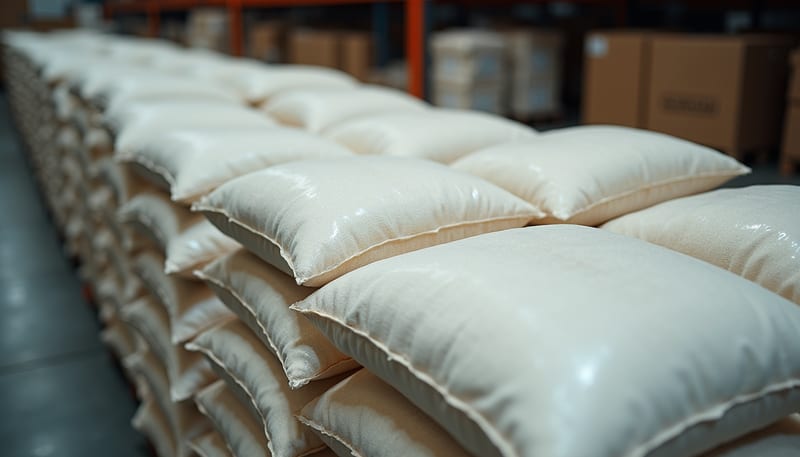
Sugar is a food ingredient. Mills and refineries need hazard controls, metal detection and clean packing lines, and sugar must be stored dry to avoid caking. Brazilian export sugar travels thousands of kilometres in containers, where condensation is a real risk.
How mills respond: food-safety management systems, lined bags, dry warehouses and moisture control before bagging.
What it means for you: choose the right bag for the route; see sugar packaging for export.
How these challenges affect price and supply
| Challenge | Most likely effect for buyers |
|---|---|
| Sucrose loss and dextran | Penalties on raw sugar; lower supply in wet seasons |
| Impurities and colour | Tighter supply of low-colour grades such as ICUMSA 35 |
| Scale, energy and water | Unplanned stoppages; regional supply changes in drought years |
| Sugar–ethanol choice | Swings in Brazilian sugar output and world prices |
| Weather | Price spikes when the Centre-South crop disappoints |
| Lot consistency | Need for per-lot certificates and inspection |
Frequently asked questions
What are the main challenges in sugar processing? Losing sucrose after harvest, controlling colour and impurities, scaling in evaporators, energy and water efficiency, effluent handling, the sugar–ethanol decision and weather.
Why does cut sugarcane lose sugar? Enzymes and bacteria in the cut stalk start breaking sucrose into glucose and fructose, and some bacteria produce dextran. That is why cane must be crushed within hours.
What is dextran in sugar processing? A gum produced by bacteria in deteriorating cane. It slows processing and distorts crystals, so raw sugar contracts often set a maximum.
How do Brazilian mills power themselves? Mostly by burning bagasse, the cane fibre left after crushing. Many export surplus electricity to the national grid.
How can a buyer protect against processing problems? Agree written specification limits, ask for the certificate of analysis for each lot, appoint an independent inspector at loading, and buy from a supplier who can name the source mill. See inside a Brazilian sugar mill for how the process works.