Organic cane sugar is sugar made from cane grown and processed under a certified organic system: no synthetic fertilisers or pesticides in the field, no prohibited processing aids in the mill, and an unbroken chain of certificates from farm to buyer. Brazil is one of the world's main sources of it. For a bulk buyer the product is only as organic as its paperwork, so sourcing organic sugar is mostly about certification, traceability and lot-by-lot documents. This guide explains what makes sugar organic, the grades available, the certificates your market will ask for, and how to check a supplier.
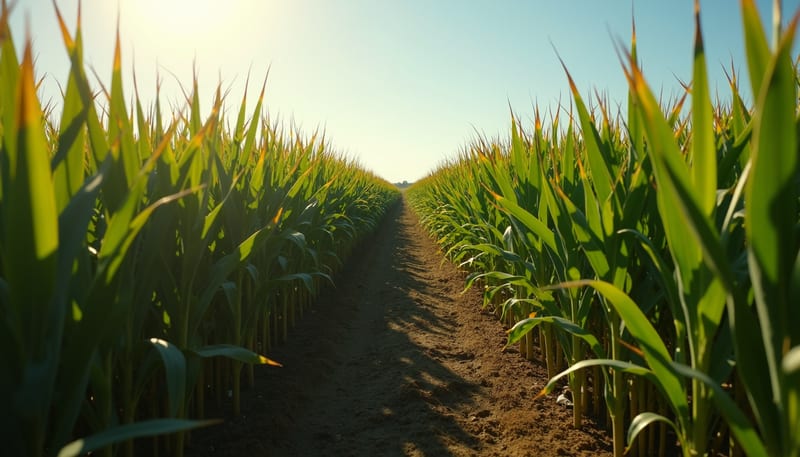
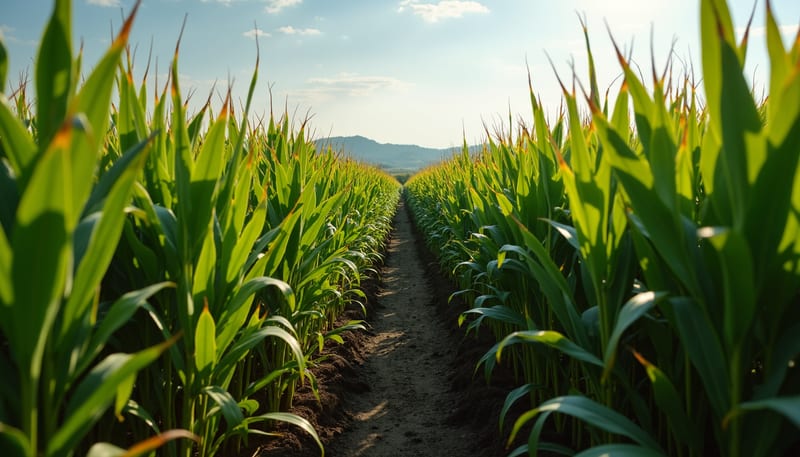
Organic status starts in the cane field: the land, the inputs and the harvest method are all audited
What makes cane sugar organic
Three things, all of which have to be certified:
- The farm. Cane is grown without synthetic fertilisers, synthetic pesticides or herbicides, and without genetically modified varieties. Fields usually need a conversion period (typically three years without prohibited inputs) before their cane can be sold as organic.
- The mill. Organic cane is processed in a certified plant, or in a dedicated, cleaned-down campaign at a mixed plant, using only permitted processing aids. Sulphitation, the sulphur-dioxide bleaching used to make some mill-white sugars, is not compatible with most organic standards.
- The chain of custody. Every handler that takes ownership of the sugar, including exporters and traders, must be certified or covered, so the organic claim travels unbroken to the final buyer.
Organic sugar is not a different molecule. Chemically it is sucrose like any other cane sugar; what the buyer pays for is the production system and the proof of it.
Organic sugar grades
| Grade | Typical colour | What it looks like | Common uses |
|---|---|---|---|
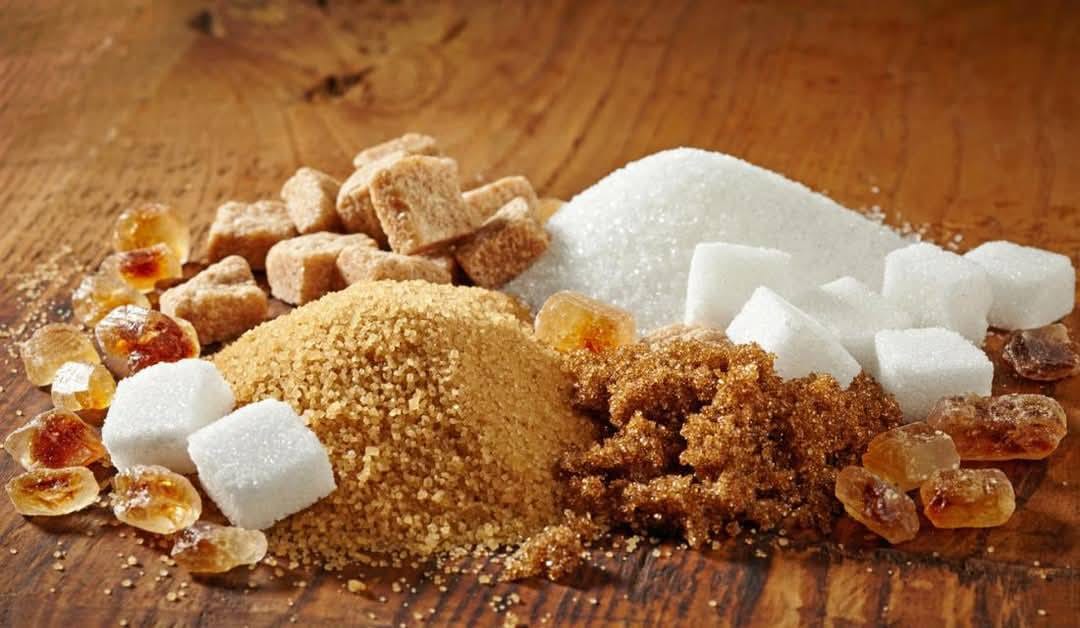
| Organic raw / golden cane sugar | Several hundred to over 1,000 ICUMSA | Light golden crystals with mild molasses flavour | Retail packs, cereals, baking, drinks |
| Organic demerara-type | Higher colour, larger crystal | Amber, crunchy | Retail, hot drinks, toppings |
| Organic light / white cane sugar | Much lower colour, close to white | Pale, near-white crystal | Beverages, dairy, confectionery |
| Organic icing / powdered sugar | Milled from the above | Fine powder | Bakery, confectionery |
| Organic invert syrup / liquid sugar | Liquid | Syrup | Beverages, industrial users |
Most organic cane sugar is less refined than conventional ICUMSA 45, because many full-refining chemicals and resins are not permitted. If your recipe needs a true white organic sugar, put the maximum colour in ICUMSA units in your specification and ask for a certificate of analysis for each lot. The ICUMSA grade chart explains the scale.
Why Brazil matters for organic sugar
Brazil has large, mechanically harvested cane estates, and green (unburnt) harvesting has become the norm in the Centre-South, which suits organic systems. Some Brazilian producers have run certified organic cane programmes for decades and export organic sugar to North America, Europe and Asia. Supply is still a small fraction of Brazil's total sugar output, so organic lots are allocated well ahead of the harvest. The harvest calendar shows when new-crop sugar becomes available.
Certificates an organic sugar buyer should ask for
Which certificate you need depends on where you sell, not where the sugar is made:
| Market | Standard / label | What to ask for |
|---|---|---|
| United States | USDA Organic (National Organic Program) | Operation certificate from a USDA-accredited certifier; listing in the USDA Organic Integrity Database; NOP import certificate for each shipment |
| European Union | EU organic regulation (EU) 2018/848 | Certificate from a control body recognised for the origin; electronic Certificate of Inspection (COI) in the EU TRACES system for each consignment |
| United Kingdom | UK organic rules | Certificate from a UK-recognised control body and the UK import certificate |
| Brazil (origin) | Brazilian organic regulation, SisOrg | Producer and processor listed under Brazil's organic control system |
| Japan, Korea, others | JAS Organic and national schemes | Certificate from a body recognised in that market |
Check three things on every certificate: the operation name matches the seller or producer on your contract, the scope covers sugar and the activity (production, processing, trading), and the validity dates cover the shipment. Then look the operation up in the certifier's or government's online database yourself rather than relying on a PDF.
The documents for an organic shipment
On top of the normal export set (commercial invoice, packing list, bill of lading, certificate of analysis, certificate of origin and phytosanitary certificate where required), an organic consignment carries:
- the organic transaction or import certificate for that consignment;
- lot numbers that tie each bag or bulk bag to the certificate;
- cleaning records for containers or holds, showing nothing non-organic was carried before;
- a residue test if your market or customer requires one.
The sugar inspection and certificates guide covers the general documents, and how to import sugar covers customs.
Organic sugar wholesale: how pricing works
Organic sugar is priced at a premium over conventional sugar, not as a fixed price. The premium reflects lower field yields, certification costs, segregated processing and limited supply, and it is negotiated per contract. As with conventional sugar, the base moves with the world market. We do not publish prices; wholesale sugar prices explains how bulk quotations are built.
How to check an organic sugar supplier
Organic sugar attracts the same broker-chain offers as conventional sugar, with "organic" added to justify a higher price. Before you sign:
- Verify the certificate online in the certifier's or the official database.
- Ask for the producer's name, not just the trader's. A real organic chain names the mill.
- Insist on a sample from the lot and a certificate of analysis that states colour, polarisation, moisture and ash.
- Pay through your bank against documents, never an upfront fee. Our guide to SBLC vs letter of credit explains why.
- Treat "organic ICUMSA 45" with caution. True organic sugar at ICUMSA 45 colour is rare. An offer of large monthly volumes of organic ICUMSA 45 at a conventional price is a warning sign; see the red flags in sugar offers.
Buying organic sugar through us
Our six standard grades are conventional Brazilian cane sugars; organic is not one of them, and we will not label conventional sugar as organic. If you need certified organic sugar, send us the standard your market requires, the grade and the volume, and we will tell you plainly whether we can help with that lot. For conventional grades, see ICUMSA 45 and raw cane sugar, or contact us.
Frequently asked questions
What is organic cane sugar? Cane sugar from certified organic cane, processed in a certified plant without prohibited inputs, with a certified chain of custody to the buyer.
Is organic sugar healthier than regular sugar? Nutritionally they are almost identical: both are mostly sucrose with about the same energy. The difference is in how the cane is grown and processed.
Is organic sugar the same as raw sugar? No. Organic describes the production system; raw describes the degree of refining. Most organic cane sugar is lightly refined, but organic white sugar also exists.
Which certificate do I need to import organic sugar into the EU? A certificate from a control body recognised for the origin, plus an electronic Certificate of Inspection in TRACES for each consignment.
Why is organic sugar more expensive? Lower yields, certification and segregation costs, and limited supply. The premium over conventional sugar is negotiated per contract.
Can organic sugar be shipped in bulk? Yes, but most organic sugar ships in bags or bulk bags in cleaned containers, because segregation and lot traceability are easier to prove.