A sugar mill turns sugarcane (or beet) into sugar for the first time: it extracts the juice, cleans and concentrates it, and crystallises raw or plantation white sugar. A sugar refinery takes raw sugar, which may have been made thousands of kilometres away, and purifies it into refined white sugar of ICUMSA 45 or lower. In Brazil the mill, called an usina, often makes ethanol and electricity as well. This guide walks through both processes step by step and explains what each means for a sugar buyer.
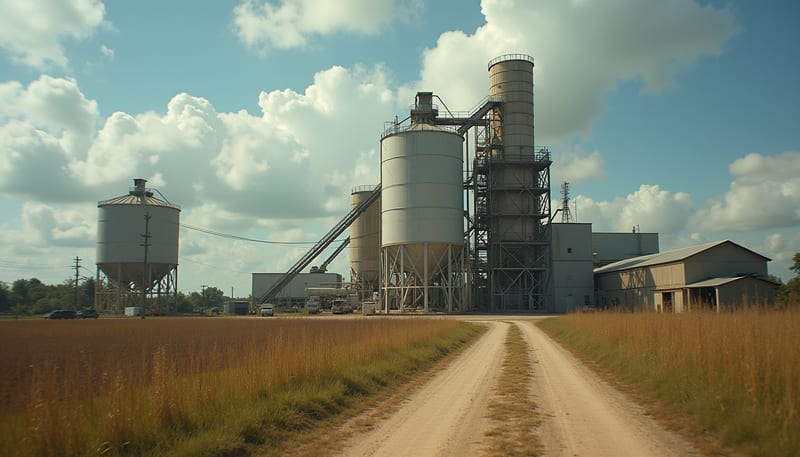
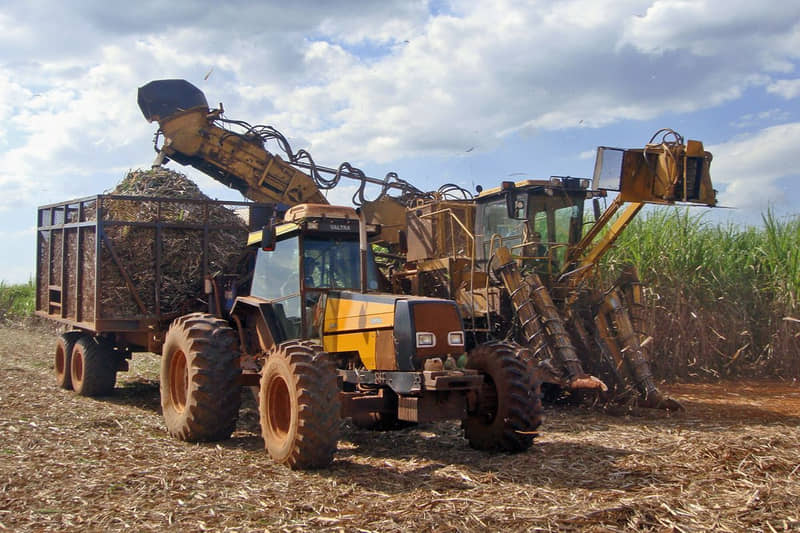
A Brazilian usina crushes cane during the harvest and can switch its juice between sugar and ethanol
Sugar mill vs sugar refinery at a glance
| Sugar mill (usina) | Sugar refinery | |
|---|---|---|
| Raw material | Freshly harvested sugarcane | Raw sugar (VHP or similar) |
| Location | Next to the cane fields | At the mill, or at a port in the importing country |
| Season | Runs during the harvest (Centre-South Brazil: about April–November) | Can run all year from stored raw sugar |
| Main products | Raw sugar, mill white sugar, ethanol, molasses, electricity from bagasse | Refined white sugar, liquid sugar, specialty sugars |
| Typical sugar colour | VHP raw: 600–1,500 ICUMSA; mill whites: about 100–150 | 45 ICUMSA or lower |
| By-products | Bagasse, filter cake, vinasse, molasses | Refinery molasses, spent decolourising media |
How a sugarcane mill works
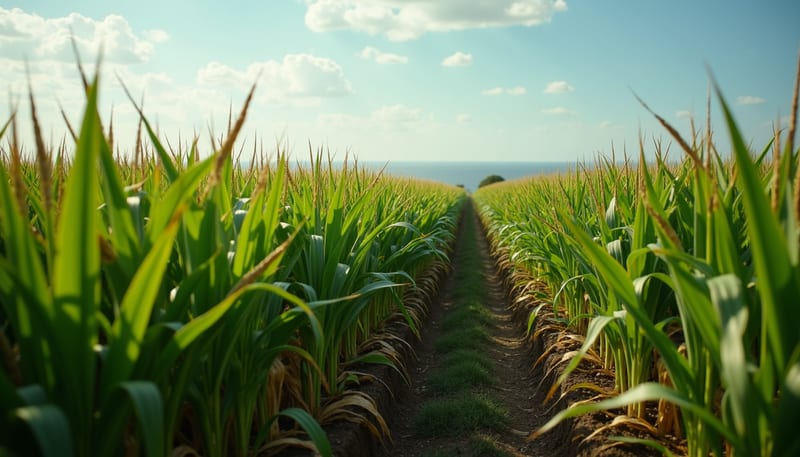
- Harvest and delivery. Cane is cut, now mostly by machine in Centre-South Brazil, and trucked to the mill within hours, because cut cane loses sucrose quickly. See the harvest calendar.
- Preparation. Knives and shredders open the cane cells.
- Extraction. A tandem of roller mills, or a diffuser, extracts the juice. The fibrous residue, bagasse, goes to the boilers.
- Clarification. The juice is heated and treated with lime to settle out mud and impurities. For mill white sugar, it is also treated with sulphur dioxide (sulphitation) to lighten the colour.
- Evaporation. Multiple-effect evaporators boil off most of the water to make a thick syrup.
- Crystallisation. Vacuum pans boil the syrup at low temperature until sucrose crystals grow. The mix of crystals and syrup is called massecuite.
- Centrifugation. Centrifuges separate the crystals from the molasses. Several boilings recover as much sucrose as is economic.
- Drying and storage. The sugar is dried, cooled and sent to warehouses, in bulk or bags.
Energy: Burning bagasse in high-pressure boilers makes the steam and electricity the mill needs, and many Brazilian mills sell surplus power to the grid.
Sugar or ethanol: Most Brazilian usinas also have a distillery. The sugar mix — the share of cane juice sent to sugar rather than ethanol — is adjusted through the season according to relative prices, which is one reason Brazilian sugar output can change quickly. See Brazil's sugar mills and the usina model.
How a sugar refinery works
- Affination. Raw sugar is mixed with warm syrup and spun, washing off the outer molasses film, where much of the colour sits.
- Melting. The washed crystals are dissolved in hot water to make a liquor.
- Clarification. Carbonatation (lime and carbon dioxide forming chalk that traps impurities) or phosphatation (lime and phosphoric acid forming a floc) removes fine solids. The liquor is filtered.
- Decolourisation. Activated carbon, bone char in some older refineries, or ion-exchange resins remove dissolved colour.
- Crystallisation. The clear liquor is boiled in vacuum pans to grow uniform white crystals.
- Centrifugation, drying and conditioning. Crystals are spun, dried and conditioned in silos so they flow freely and do not cake.
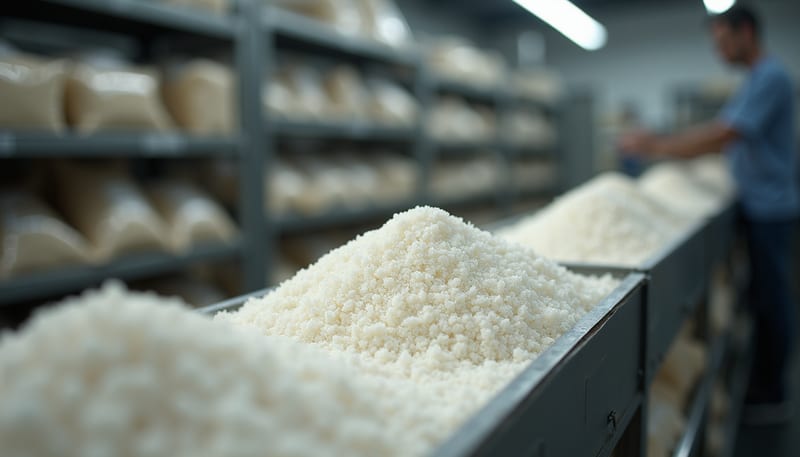
- Screening and packing. The sugar is sieved to the required grain size and packed in bags, jumbo bags or bulk.
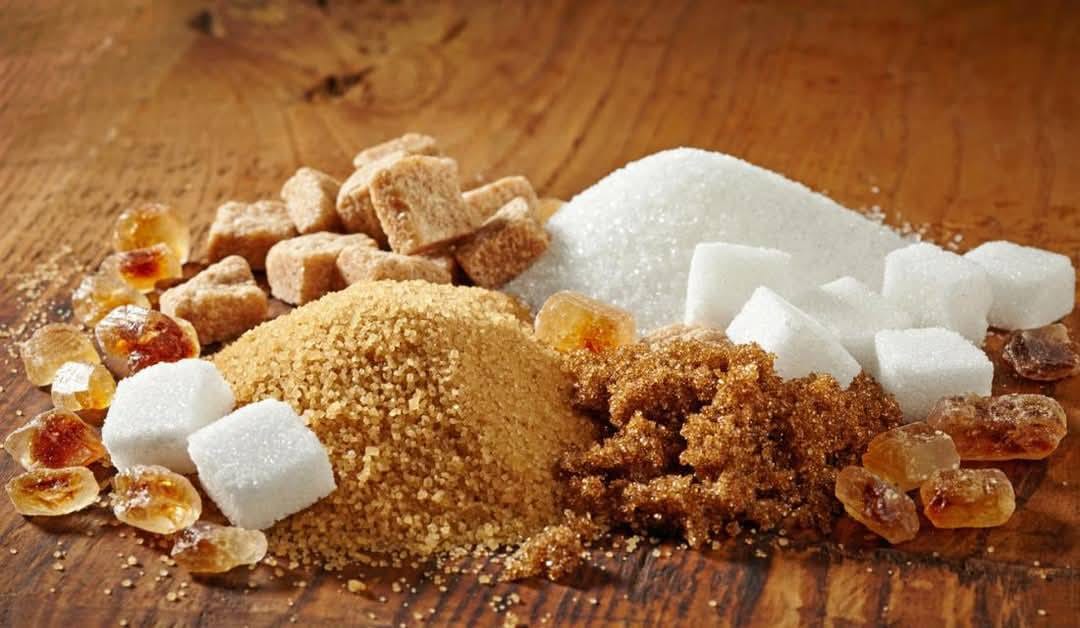
The result is refined white sugar with at least 99.8% sucrose and colour of 45 ICUMSA or less, the specification of ICUMSA 45 and ICUMSA 35.
Where refineries are, and why it matters
- Integrated refineries sit beside a mill and refine its own raw sugar, or melt and recrystallise it. Some Brazilian mills produce refined sugar this way.
- Standalone port refineries import raw sugar from Brazil, Thailand or Australia and refine it near their market. Examples of such destination refining hubs are found in the Middle East, North Africa, West Africa, Indonesia and China.
For a buyer, the split explains the two main export streams: raw VHP in bulk to port refineries, and refined white sugar in containers to manufacturers and distributors. See raw sugar vs refined white sugar and the country guides for Nigeria, Indonesia and China.
What this means when you buy
- Ask which plant produced your lot. Mill white and refinery white are both "white sugar" but differ in colour, SO₂ and consistency.
- Specify the parameters, not just the name: colour, polarisation, moisture, ash and granulation. See the ICUMSA grade chart.
- Expect seasonality from mills and steadier supply from refineries that hold raw sugar stocks.
The common technical problems at both kinds of plant, from cane quality to energy use, are covered in sugar processing challenges.
Frequently asked questions
What is the difference between a sugar mill and a sugar refinery? A mill makes sugar from cane or beet; a refinery purifies raw sugar into refined white sugar.
How is sugar refined? By washing raw sugar (affination), melting it, clarifying and decolourising the liquor, then recrystallising, drying and conditioning the white crystals.
Is sugar bleached? Refined cane sugar is not bleached with chlorine. Its colour is removed by clarification and by activated carbon or ion-exchange resin. Some mill white sugars are lightened with sulphur dioxide during juice treatment.
What is bagasse? The fibrous residue left after the juice is extracted from cane; mills burn it to produce steam and electricity.
What is an usina? The Brazilian term for an industrial sugarcane mill, which usually produces sugar and ethanol and often exports electricity.
Why do some countries refine imported raw sugar instead of importing white sugar? Raw sugar is cheaper to buy and ship in bulk, and refining locally adds value and jobs; some countries also set lower duties on raw sugar for refining.