If you are asking this because you are about to buy, the useful question is not who is biggest — it is whether the company answering your email can actually ship. Brazil's largest sugar exporters are listed companies, joint ventures and cooperatives whose commercial departments sell at vessel scale. Most buyers who search for them end up dealing with somebody much further down the chain, and the only thing that protects them is verification. This page is that verification process.
Why a league table will not help you buy
There are three problems with the lists of "top Brazilian sugar exporters" that circulate online.
They go out of date quietly. Ownership in this sector changes: groups are acquired, trading arms are folded into parents, joint ventures are restructured. A list written three years ago can name a company that no longer exists as a seller, and nothing on the page tells you that.
Rankings are not sourced. The volume figures in these lists are rarely attributed to anything, and when two lists disagree — which they routinely do — there is no way to tell which is wrong. We are not going to add a fourth unsourced ranking to the pile.
Being large does not make a company your supplier. A mill group that exports a million tonnes a year is not set up to quote one container to a first-time buyer, and it will not pretend otherwise. The six links in the Brazilian export chain explains who sells to whom, and why.
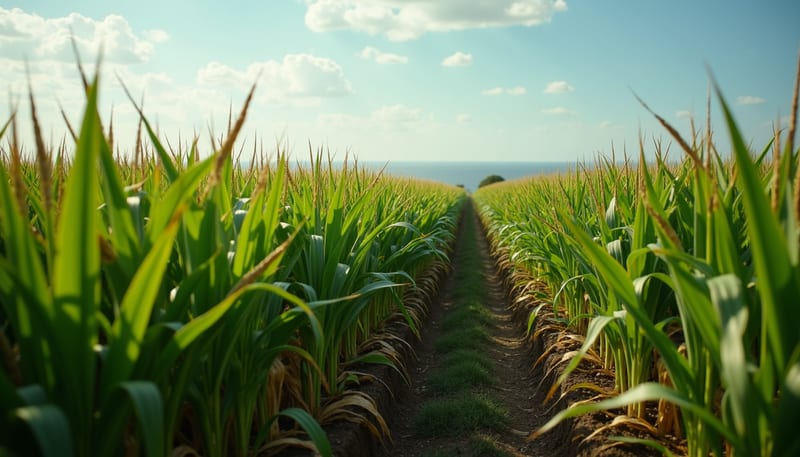
Sugarcane fields in Brazil
What a Brazilian sugar exporter looks like, structurally
Brazil's export supply comes from three structural types, and the type predicts the terms:
- Integrated mill groups — cane, crushing, refining and a distillery on the same site, usually with their own commercial arm. Vessel scale, mill terms.
- Cooperatives and aggregators — commercial companies that pool the output of many mills, which gives them volume and logistics depth.
- Export trading houses — companies that source from producers against a buyer's written specification and handle the export documentation. Container scale, buyer-facing terms. This is the type we are.
Nothing in that list is a recommendation. It is a map, so that you can tell which kind of promise the company in front of you is in a position to keep. What is publicly checkable about the named producer groups is the companion page, and which supplier is right for your buyer profile is the one to read before you shortlist.
Five checks that separate an exporter from a website
1. A company number you can verify
Every Brazilian company has a CNPJ, the federal taxpayer registration. Ask for it. Check it against the public federal register. Confirm that the name on the register is the name that will appear on your invoice. A seller who will not provide a company number is not a company you could pursue if the cargo never arrived.
2. Customs registration
Brazilian exporters operate through the federal foreign-trade system — Radar / Siscomex. Ask whether the entity that will export is the entity that is invoicing you. Where they differ there may be a good reason, but you should hear it before you contract, not at the bank.
3. Evidence that it has shipped
A redacted bill of lading, a previous certificate of origin, or a surveyor's report from a past loading. This is the single most informative document you can ask for, and it is the one a paper-only intermediary cannot produce.
4. The sequence: specification first, price second
Order matters here more than wording. An exporter that states the grade, the ICUMSA ceiling and the packaging before naming a number is an exporter that intends to ship those goods. One that leads with a number has left itself room to adjust what it is selling, and it will use it. If what arrives instead is a soft corporate offer or an FCO demanding an ICPO in return, read what those documents actually are before you reply to it. The ICUMSA colour scale and grade chart lets you state the grade precisely in your first email.
5. Money that moves against documents
Brazilian export cargoes settle through the banking channel — a documentary letter of credit confirmed at a bank you nominate, or documentary collection. The mechanism exists so that neither side has to trust the other. Anything that routes your money around it has removed the only protection in the transaction.
The commercial checks beyond these five — what to demand in the contract, what a credible minimum order looks like, and the eight patterns that should stop a negotiation — are in the bulk sugar supplier qualification guide, which is where that checklist lives.
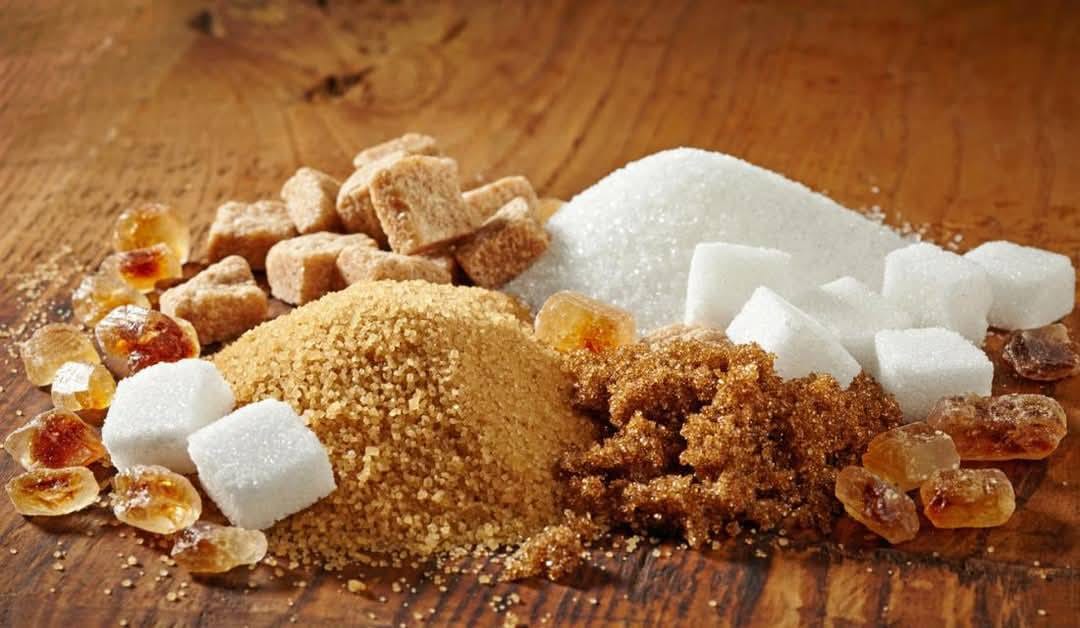
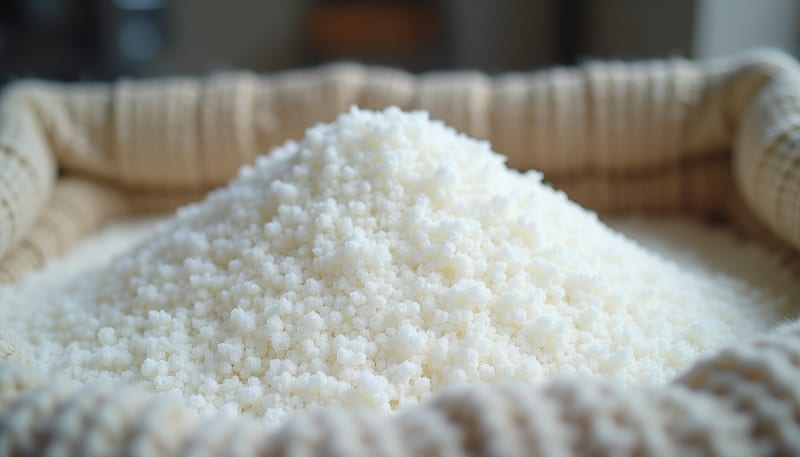
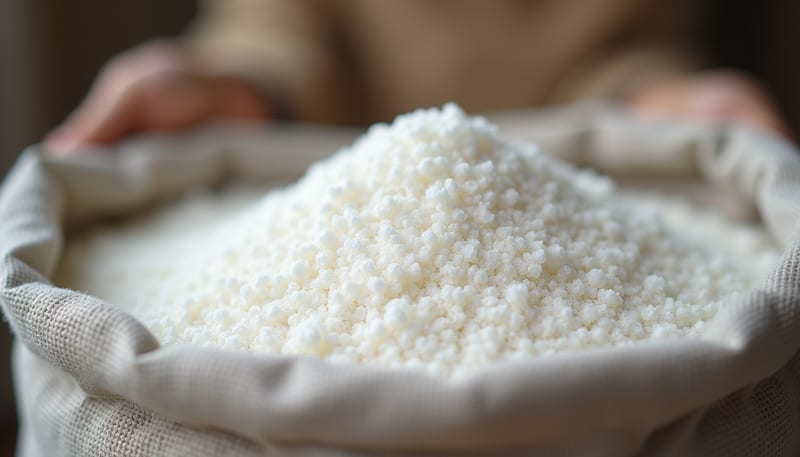
Refined sugar crystals ready for export
The two questions that end a bad negotiation fastest
- "Which port will you load from, and on what Incoterm?" Brazilian sugar leaves principally through Santos and Paranaguá. A seller who cannot name one has not planned a shipment.
- "How long is this quotation valid?" A number with no expiry is not a price. How a legitimate sugar quotation is assembled shows what the components should be.
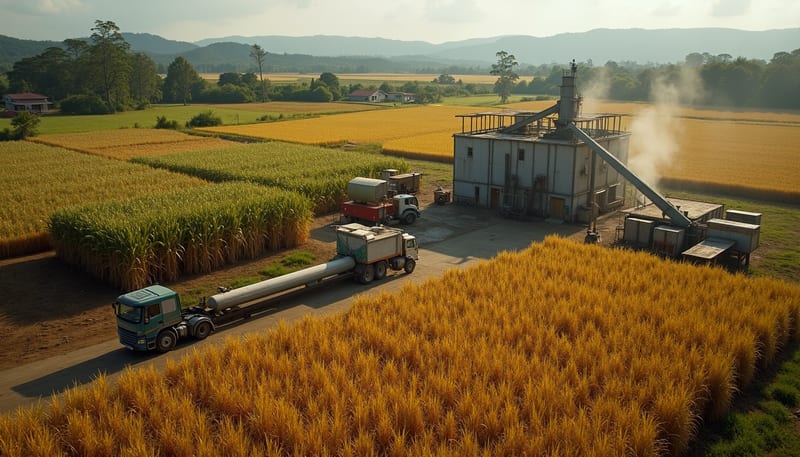
Sugar mill in Brazil processing sugarcane for export
How we answer the same five checks
Apply the list above to this company — that is what it is for.
- What we are: an export trading house in Brazil, not a mill. We source from Brazilian producers against your written specification and sell FOB Santos or Paranaguá, or CFR/CIF to your port.
- Company registration and customs registration: provided on enquiry, with the entity that will invoice named.
- Specification first: agreed in writing before any price is quoted, with the figures for your lot stated on the certificate of analysis.
- Independent inspection: welcome at loading, named in the contract.
- Payment: through the banking channel, documentary.
- Minimum order quantity, Incoterms, lead time, payment terms and packaging: confirmed on quotation, because each moves with grade, tonnage and destination.
The grades we quote are ICUMSA 45 refined white, ICUMSA 35 refined white, refined white sugar crystals, beverage grade refined cane sugar, ICUMSA 100 cane sugar and raw brown cane sugar, ICUMSA 600–1200.
What to do next
Decide the grade, the tonnage and the destination port; run the five checks on whoever you are talking to; then compare quotations on a single Incoterm. The step-by-step purchase sequence sets out what happens after you agree, and the supplier qualification checklist goes further into the red flags.
Send us an enquiry with those three facts and the reply will be a quotation, not a questionnaire.
Recent Posts
The Ultimate Guide to Buy Sugar in Bulk: Smart Tips and Benefits
The Ultimate Guide to Wholesale Sugar Suppliers: How to Choose the Best Partner for Your Business

Unlocking the Potential of Sugar Wholesale: A Comprehensive Guide