
Brazil is the world's largest producer and exporter of sugar, playing a crucial role in the global sugar market. The country's vast sugarcane plantations and advanced processing facilities make it a powerhouse in sugar production. Understanding the key players in Brazil's sugar export market is essential for anyone interested in the industry, whether for business, investment, or academic purposes. This article explores the major companies, their strategies, and the factors that contribute to Brazil's dominance in sugar exports.
Overview of brazil sugar export leaders
Brazil's sugar export leaders are a mix of large multinational corporations and regional companies that have established themselves through innovation, scale, and sustainability practices. These companies not only produce sugar but also invest heavily in bioenergy and ethanol production, which complements their sugar operations.
Some of the most influential players include:
-
Raízen: A joint venture between Shell and Cosan, Raízen is one of the largest sugar and ethanol producers in Brazil. It operates numerous mills and has a strong export network.
-
São Martinho Group: Known for its efficient production and sustainability initiatives, São Martinho is a key player in both sugar and ethanol markets.
-
Tereos Internacional: A global cooperative with significant operations in Brazil, Tereos focuses on sugar, ethanol, and bioenergy.
-
Copersucar: As a major sugar and ethanol trader, Copersucar connects producers with international markets, facilitating large-scale exports.
These companies leverage Brazil's favorable climate, advanced agricultural techniques, and government support to maintain their competitive edge.
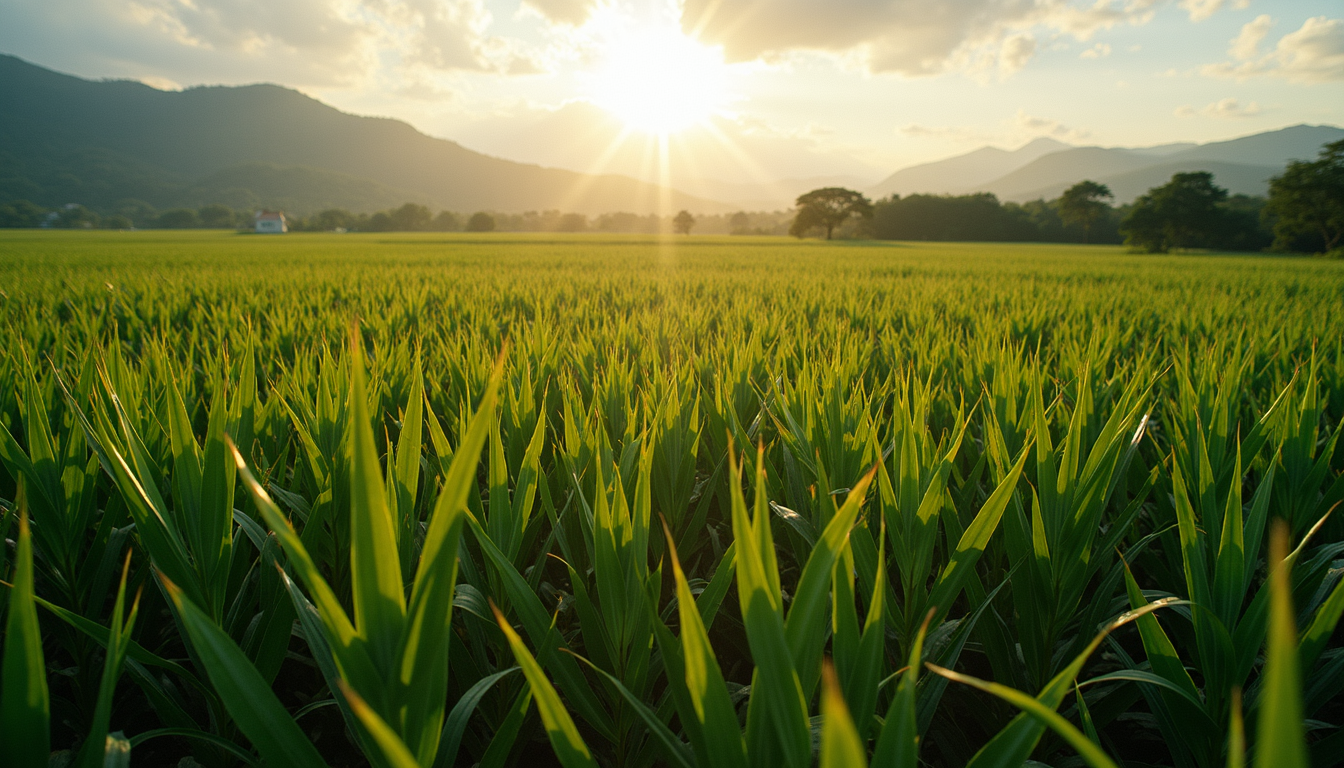
Sugarcane fields in Brazil, a key raw material for sugar export
Sugarcane fields in Brazil, a key raw material for sugar export
Strategies and innovations driving brazil sugar export leaders
The success of Brazil's sugar export leaders is not accidental. It results from strategic investments and innovations that improve productivity and sustainability. Here are some key strategies:
-
Sustainable Farming Practices
Many companies have adopted sustainable farming methods to reduce environmental impact. This includes precision agriculture, integrated pest management, and water conservation techniques.
-
Technological Advancements
Automation and data analytics are used to optimize harvesting and processing. For example, GPS-guided machinery and drones help monitor crop health and improve yield.
-
Diversification into Bioenergy
Sugar producers often diversify into ethanol and bioelectricity production. This not only adds revenue streams but also aligns with global trends toward renewable energy.
-
Global Market Expansion
Export leaders actively seek new markets and maintain strong relationships with importers worldwide. They adapt to changing trade policies and consumer preferences to stay competitive.
-
Investment in Infrastructure
Efficient logistics, including port facilities and transportation networks, are critical for timely exports. Companies invest in infrastructure to reduce costs and improve delivery times.
These strategies ensure that Brazil remains the top sugar exporter globally, meeting demand while addressing environmental and economic challenges.
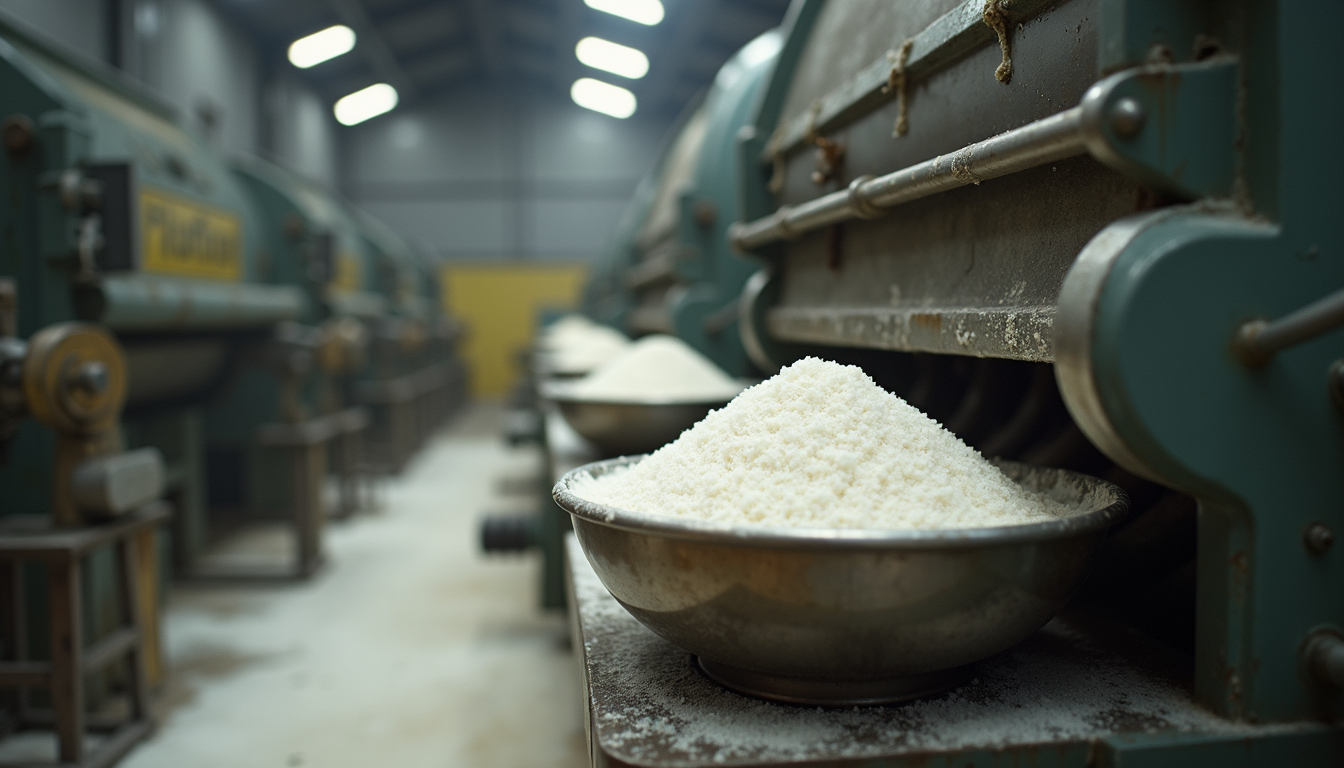
Sugar processing machinery in a Brazilian mill
Sugar processing machinery in a Brazilian mill, showcasing advanced technology
What are the top 10 sugar mills in Brazil?
Brazil's sugar industry is supported by numerous mills that process sugarcane into raw and refined sugar. The top 10 sugar mills are known for their capacity, efficiency, and contribution to exports. These mills are often owned or operated by the leading companies mentioned earlier.
Here are the top 10 sugar mills in Brazil by production capacity and export contribution:
-
Raízen’s Costa Pinto Mill - One of the largest and most modern mills, producing sugar and ethanol.
-
São Martinho’s Pradópolis Mill - Known for high efficiency and sustainability certifications.
-
Tereos’ Usina São Martinho - A key facility in Tereos’ Brazilian operations.
-
Copersucar’s Usina Santa Adélia - A major player in sugar and ethanol production.
-
Biosev’s Usina São João - Part of the Louis Dreyfus Company, focusing on sustainable production.
-
Usina Iracema - A significant mill with advanced processing technology.
-
Usina São Luiz - Known for its integrated bioenergy production.
-
Usina Vale do Rosário - A mill with a strong export orientation.
-
Usina Boa Vista - Focused on high-quality sugar production.
10. Usina São Francisco - A mill with a long history and modern upgrades.
These mills contribute significantly to Brazil's sugar export volume, ensuring the country meets global demand efficiently.
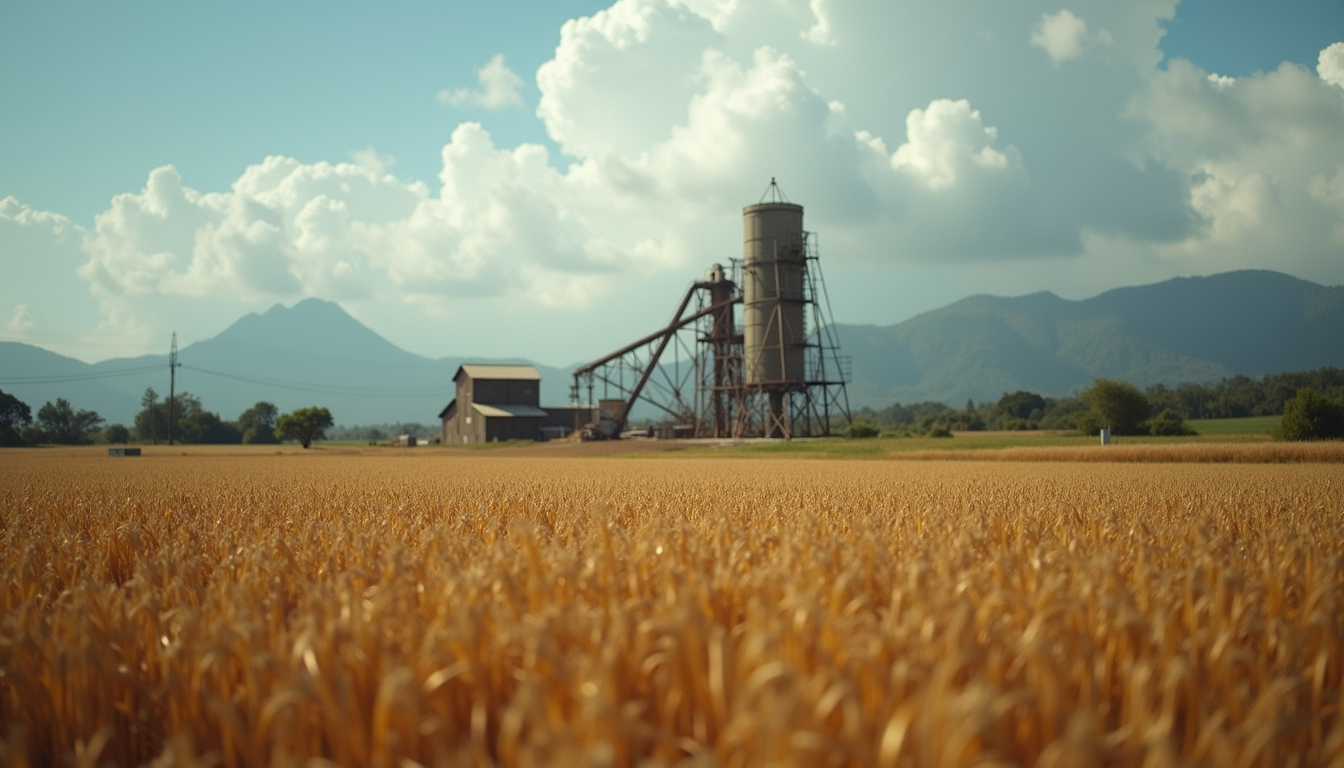
Large sugar mill facility in Brazil, central to sugar production
The role of brazil sugar exporters in the global market
Brazil sugar exporters play a pivotal role in shaping the global sugar market. Their influence extends beyond production to include pricing, trade policies, and sustainability standards. Here’s how they impact the market:
-
Price Leadership: Due to their large volume and efficiency, Brazilian exporters often influence global sugar prices.
-
Trade Partnerships: They maintain strong trade relationships with major sugar-importing countries such as China, India, and the European Union.
-
Sustainability Leadership: Many exporters lead initiatives to reduce carbon footprints and promote ethical sourcing.
-
Market Adaptability: They quickly adapt to changes in tariffs, quotas, and international regulations, ensuring steady supply.
-
Innovation Sharing: Brazilian exporters often collaborate with international partners to share best practices and technologies.
For businesses looking to engage with brazil sugar exporters, understanding these dynamics is crucial. Partnering with established exporters can provide access to reliable supply chains and market insights.
Future trends and challenges for brazil sugar export leaders
The future of Brazil's sugar export leaders is shaped by both opportunities and challenges. Key trends and issues include:
-
Climate Change Impact: Changing weather patterns may affect sugarcane yields, requiring adaptive farming techniques.
-
Technological Integration: Continued investment in AI, IoT, and blockchain for traceability and efficiency.
-
Sustainability Regulations: Increasing global demand for environmentally friendly products will push exporters to enhance sustainability.
-
Market Diversification: Expanding into new markets and product lines, such as specialty sugars and bio-based products.
-
Competition from Other Countries: Countries like India and Thailand are also expanding their sugar exports, increasing competition.
To stay ahead, brazil sugar export leaders must innovate continuously, invest in sustainable practices, and maintain strong global partnerships.
Brazil's sugar export market is dominated by a few key players who combine scale, innovation, and sustainability to maintain global leadership. Understanding these companies, their strategies, and the challenges they face provides valuable insights into one of the world's most important agricultural sectors. For more detailed information about the main exporters, visit brazil sugar exporters.
Recent Posts
The Ultimate Guide to Buy Sugar in Bulk: Smart Tips and Benefits
The Ultimate Guide to Wholesale Sugar Suppliers: How to Choose the Best Partner for Your Business

Unlocking the Potential of Sugar Wholesale: A Comprehensive Guide